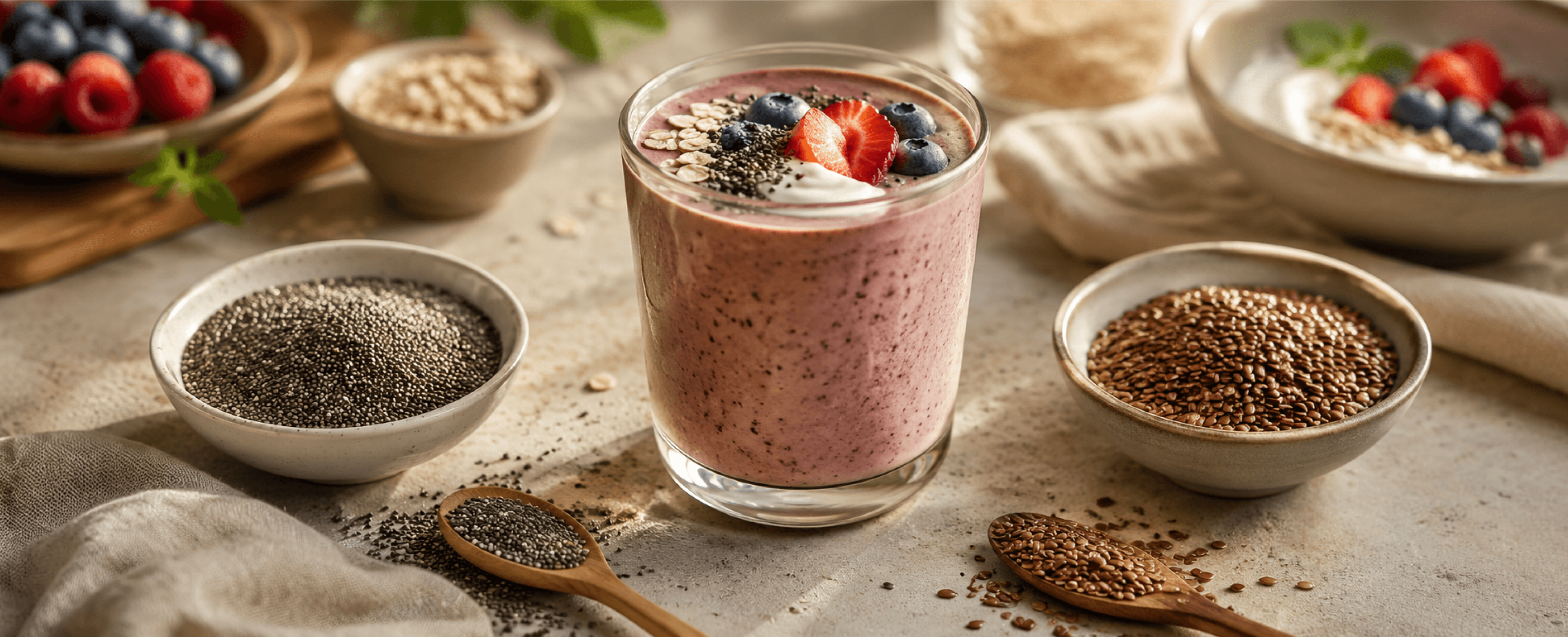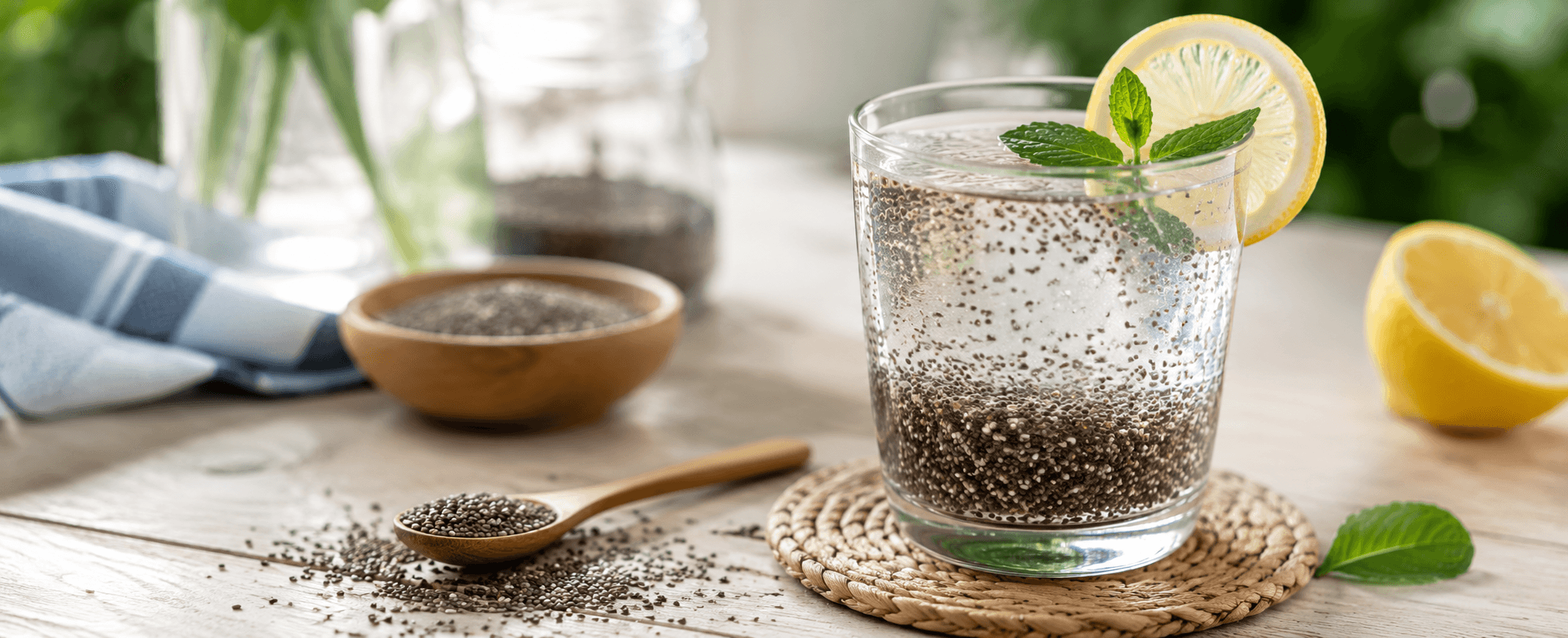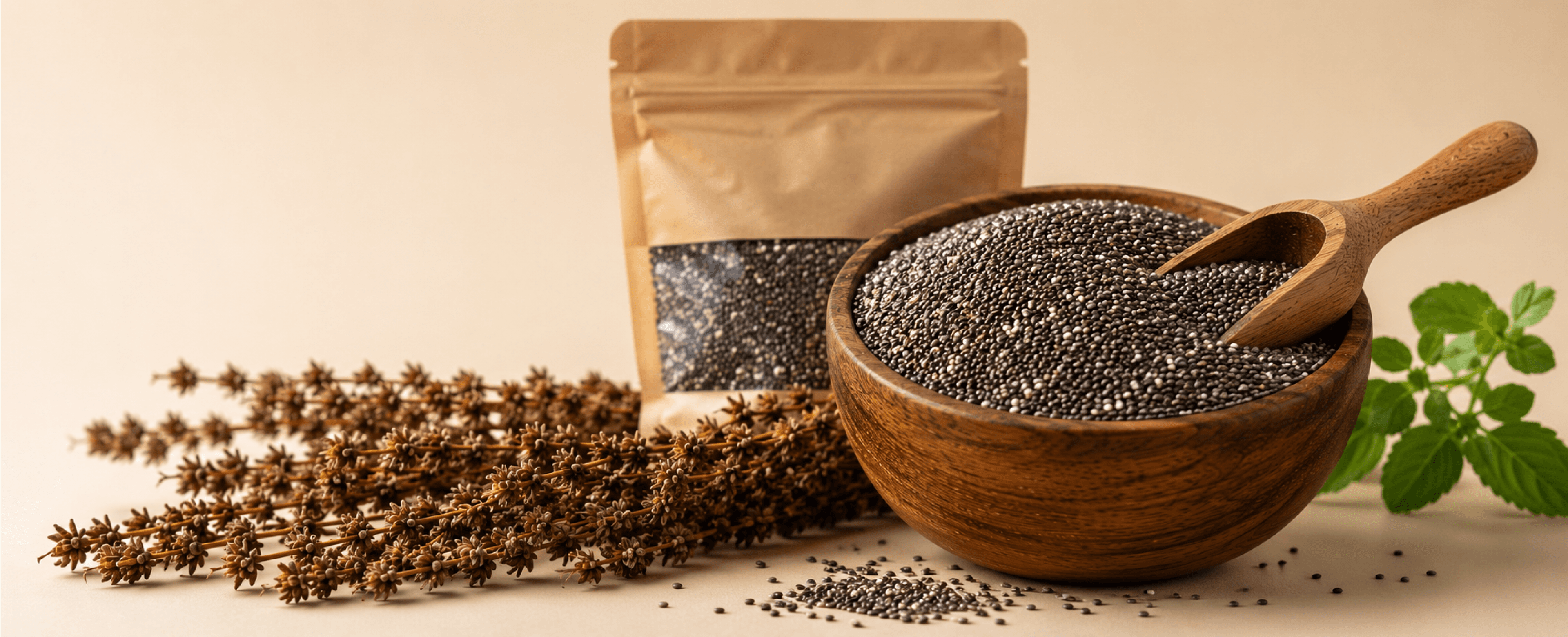
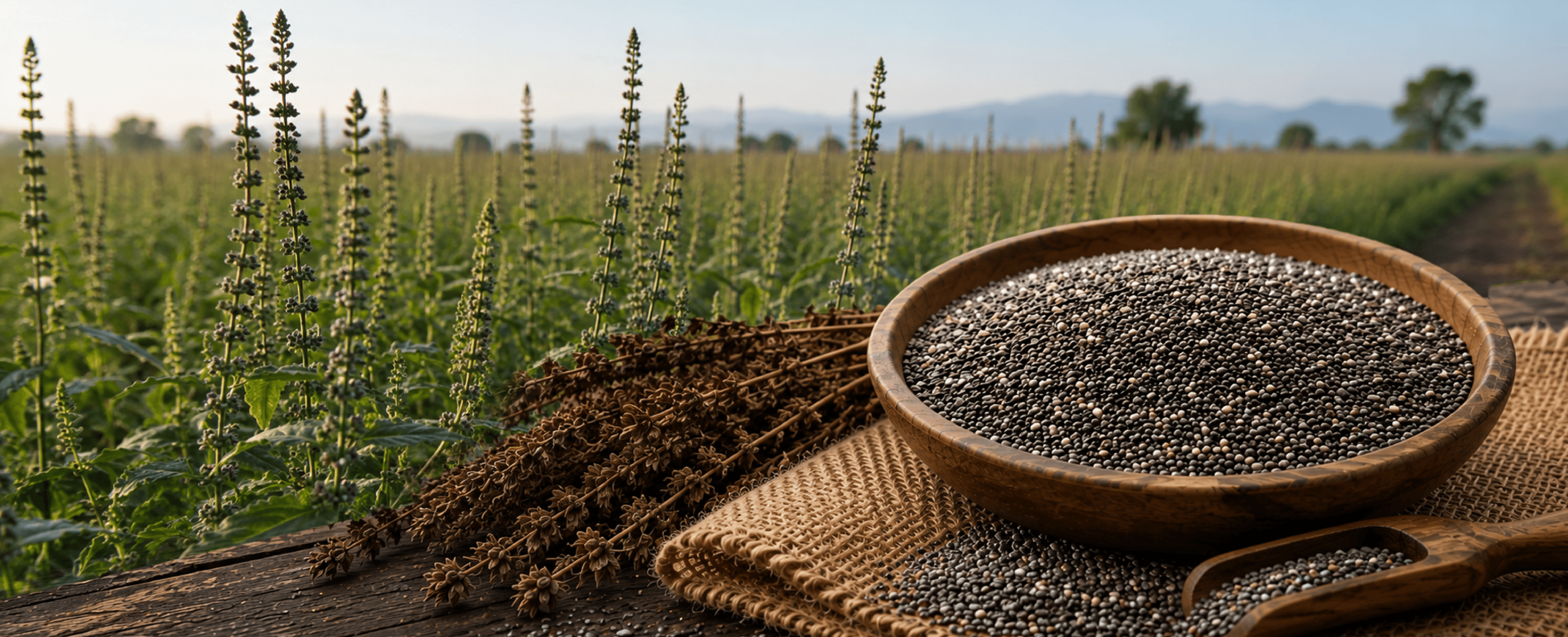
Chia seeds have officially entered the “healthy people starter pack.” Smoothies? Add chia. Pudding? Add chia. Weight loss advice from random internet uncles? Definitely add chia. But while consumers are busy sprinkling tiny black seeds over breakfast bowls and pretending life is perfectly balanced, growers are staring at winter skies with pure anxiety. Because farming, unlike Instagram reels, does not come with a soft filter. Chia seed growers are becoming increasingly worried about the winter season and its unpredictable effects on production.
When Winter Becomes the Villain
Chia is not exactly a fan of cold weather. It likes warmth, stability, and calm growing conditions. Basically, chia behaves like that one friend who cancels plans the moment the temperature drops slightly. Harsh winters, unexpected frost, and irregular rainfall can seriously affect crop growth and seed quality. For farmers, this is not just about “a bad season.” It directly affects income, exports, and future planting decisions. One unpredictable winter can quietly turn months of hard work into financial stress. Farming may look peaceful from a distance, but in reality, it is agriculture’s version of emotional damage with weather updates.
The Global Demand Is Rising, But So Is Pressure
The funny part? Demand for chia seeds is still growing worldwide because health-conscious consumers continue calling it a miracle food. Rich in omega-3 fatty acids, fibre, and protein, chia has become the darling of the wellness industry. But growers are stuck in a difficult situation. Markets want more production, better quality, and a stable supply. Nature, meanwhile, wakes up every season and says, Let’s try something chaotic today. And honestly, climate uncertainty is becoming the unpaid business partner of every farmer.
Farmers Are Not Just Growing Crops Anymore
Modern farming is slowly turning into risk management. Growers now have to think about changing temperatures, water availability, crop protection, export markets, and fluctuating prices all at once. It is no longer just sowing and harvesting. It is strategy, survival, and sometimes pure patience. Many producers are exploring better cultivation techniques and climate-resilient approaches to reduce losses during difficult seasons. Because waiting for the weather to behave normally now feels like waiting for customer care to answer in one ring.
The Tiny Seed Carrying Big Expectations
Chia seeds may be small, but the industry around them is massive. Behind every packet sold in supermarkets is a farmer hoping the season remains stable enough to protect both crop quality and livelihood. Consumers see a trendy superfood. Farmers see uncertainty, investment, and months of dependence on weather patterns they cannot control. And perhaps that is the real story behind chia seed, tiny grains carrying very big pressure.