Rising Global Recognition and Market Momentum
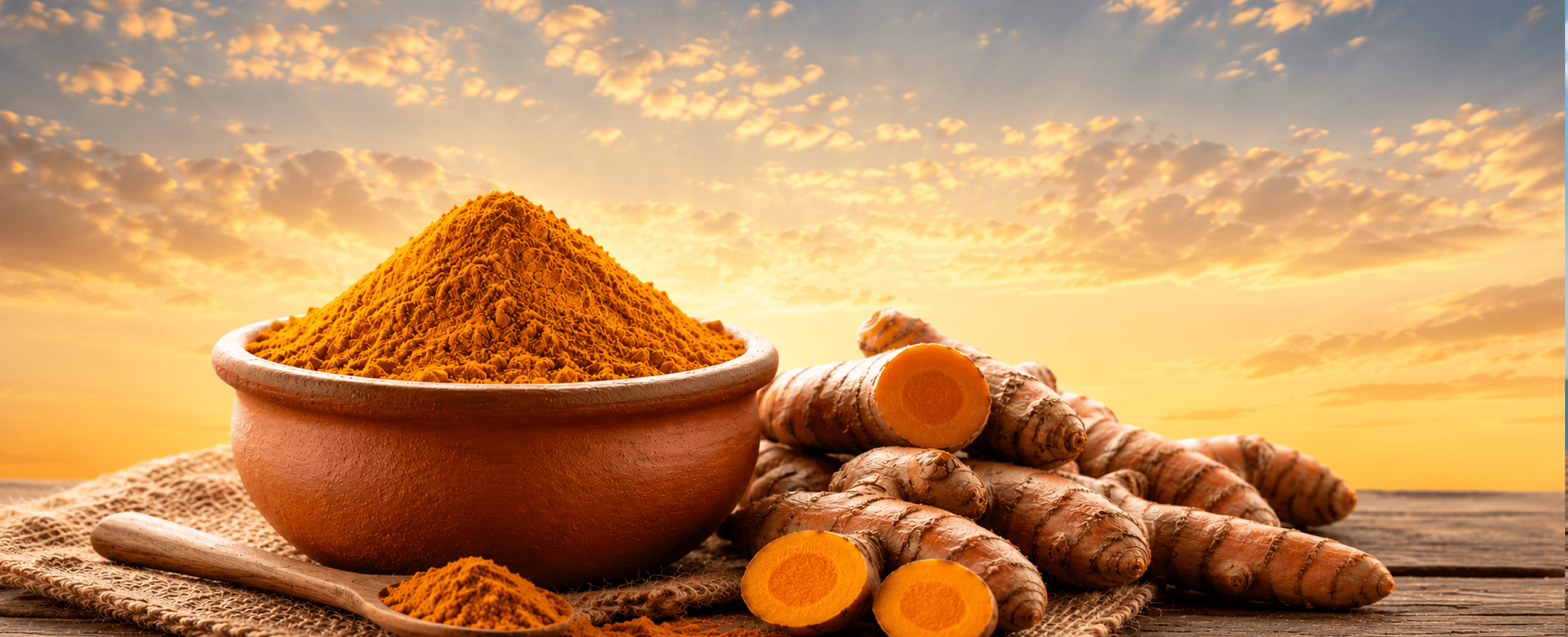
Turmeric (Curcuma longa), being named Herb of the Year 2026, marks a significant moment for the global spice trade. What was once largely seen as a traditional kitchen ingredient has now evolved into a high-demand commodity across international markets. This recognition is likely to accelerate global consumption, especially in regions where demand for natural, plant-based products is rising.
For India, which dominates global turmeric production and exports, this presents a strategic opportunity. Increased awareness at the global level can translate into stronger export demand, better price realization, and expansion into newer markets. The shift in perception from a cultural staple to a functional ingredient continues to strengthen turmeric’s position in global trade.
Shift Toward Value-Added Trade
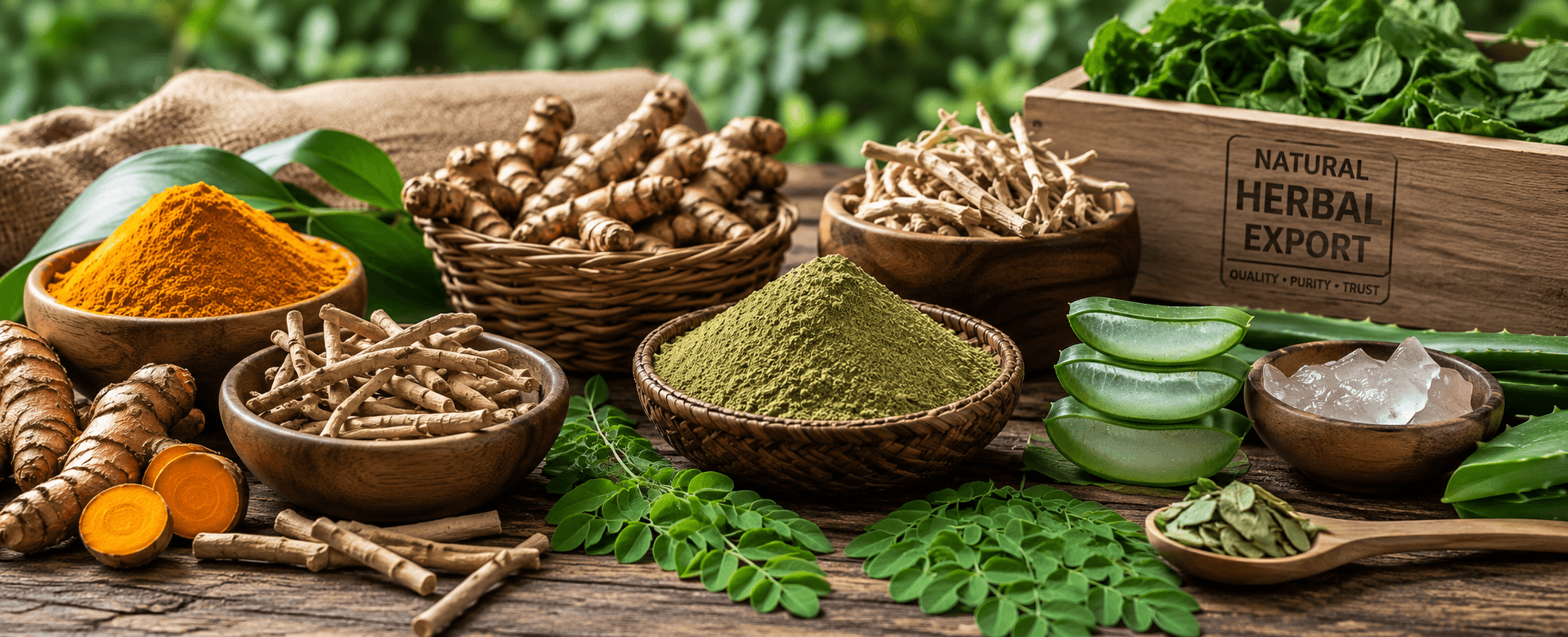
One of the most notable trends in the turmeric sector is the growing move toward value addition. Instead of exporting raw turmeric, there is increasing demand for processed products such as curcumin extracts, oleoresins, turmeric oil, and ready-to-consume health formulations. These value-added products cater to industries like nutraceuticals, pharmaceuticals, food processing, and cosmetics. This shift is important from a trade perspective because it enhances profitability. Exporters dealing in processed turmeric products often earn significantly higher margins compared to those trading raw produce. As a result, Indian agri-businesses and startups are gradually investing in processing units, extraction technologies, and branding strategies to capture more value within the supply chain.
Expanding Applications Across Industries
Turmeric’s growing trade relevance is closely linked to its expanding applications. The active compound curcumin has gained attention for its use in health supplements, functional foods, and skincare products. Beyond traditional uses, turmeric is now integrated into beverages, fortified foods, and wellness products, increasing its demand across diverse sectors. This diversification reduces dependency on a single market segment and makes turmeric a more stable commodity in global trade. However, regulatory frameworks in some countries still require strong scientific validation for health claims, which can influence market access and product positioning.
Export Opportunities and Strategic Focus for India
India remains at the center of the global turmeric trade, but maintaining this leadership requires a more strategic approach. Quality standardization, residue control, and traceability are becoming critical factors for export success. Buyers in international markets are increasingly prioritizing certified, high-quality, and sustainably sourced products. To stay competitive, there is a need to strengthen processing infrastructure, promote geographical indication (GI)-based branding, and encourage farmer-level improvements in cultivation and post-harvest practices. Government support, export promotion policies, and private sector investment will play a key role in unlocking the full potential of turmeric exports. In 2026, turmeric is no longer just a traditional spice it is emerging as a dynamic agri-commodity with strong global demand, diversified applications, and significant trade potential.