For years, many of us happily called every hot cup of herbs, flowers, and spices a tea. Chamomile tea, hibiscus tea, tulsi tea you name it. Then came the clarification that technically, tea comes from the leaves of the tea plant. Suddenly, our favorite herbal brews found themselves in an identity crisis. But honestly, does a comforting cup care what label is printed on the packet?
While the debate over names grabbed attention, something far more interesting was happening. Himalayan herbal infusions quietly stepped into the spotlight, not because of marketing buzzwords, but because people are increasingly looking for drinks that offer both flavor and wellness.
A Taste of the Mountains in Every Cup
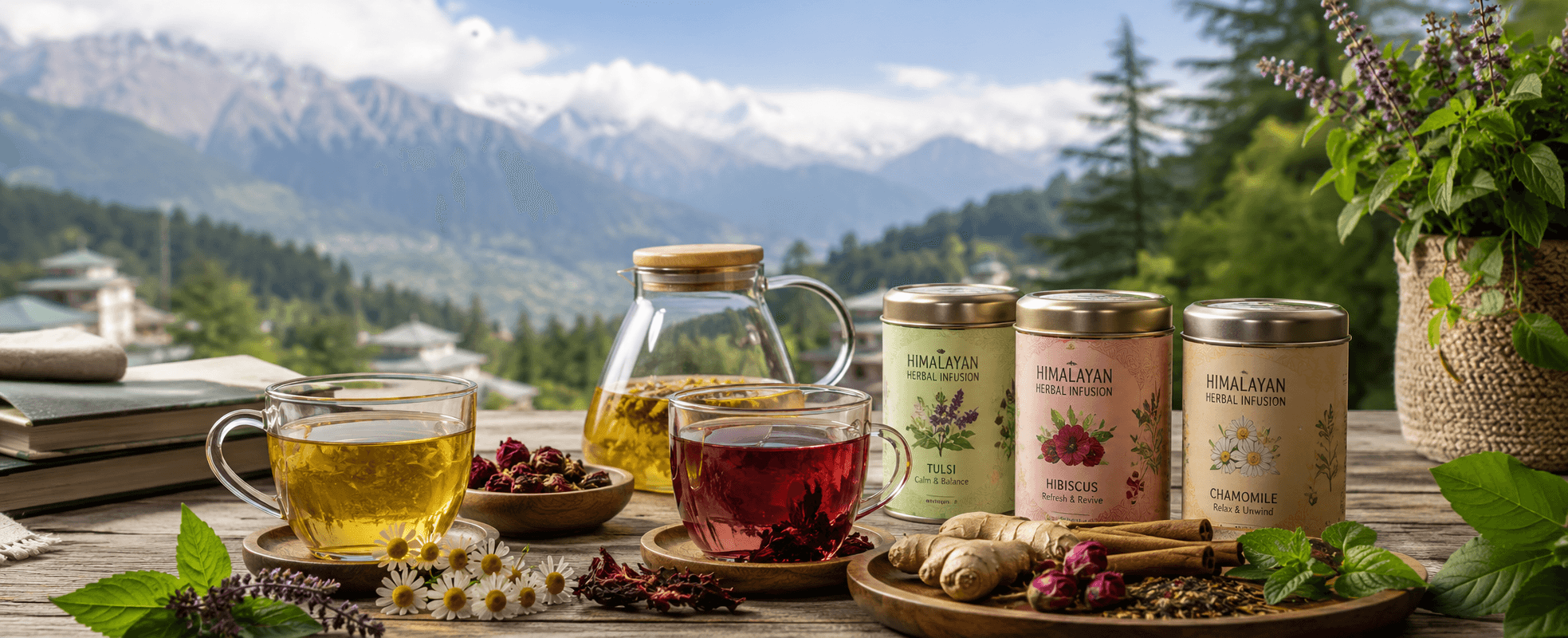
There is something special about ingredients grown in the Himalayas. The clean environment, unique climate, and traditional cultivation practices contribute to herbs that are naturally aromatic and flavorful. Imagine the soothing notes of chamomile after a long day, the refreshing tang of hibiscus on a warm afternoon, or the comforting warmth of tulsi during the monsoon season. These are not just beverages; they are small moments of pause in an increasingly noisy world.
And unlike many trendy health products that arrive with impossible promises and dramatic claims, herbal infusions keep things simple. They offer flavor, comfort, and tradition without demanding a standing ovation.
Wellness That Doesn't Feel Like a Chore
One reason herbal infusions are becoming more popular is that they fit naturally into everyday life. People are paying more attention to what they eat and drink, but nobody wants wellness to feel like homework. A cup of herbal infusion provides an easy way to enjoy natural ingredients without complicated routines. Whether it is tulsi, peppermint, lemongrass, rose petals, or hibiscus, each ingredient brings its own character to the cup.
The Return of Traditional Wisdom
Long before wellness became a social media trend, households across India relied on herbs and spices for daily well-being. Grandmothers did not need influencers to tell them the value of tulsi or ginger. Today, herbal infusions are bringing that traditional wisdom back into modern lifestyles. The difference is that they now come beautifully packed and conveniently available, making it easier for younger generations to reconnect with age-old practices. Sometimes progress is not about discovering something new. Sometimes it is about remembering what we already knew.
More Than a Beverage, It's an Experience
The growing popularity of Himalayan herbal infusions reflects a larger shift in consumer preferences. People want authenticity. They want natural ingredients. They want products with a story behind them. A cup of herbal infusion offers all of that. It connects the drinker to nature, tradition, and a slower pace of life even if only for ten minutes between meetings, deadlines, and endless notifications.
Final Sip
The recent clarification around what can officially be called tea may have changed the terminology, but it has not changed what people love. If anything, it has opened the door to a greater appreciation of herbal infusions and the remarkable ingredients that go into them.
Names may change. Labels may evolve. But a warm, refreshing cup that brings comfort, flavor, and a touch of nature will always find its place. And frankly, whether you call it tea or infusion, your taste buds are unlikely to file a complaint.