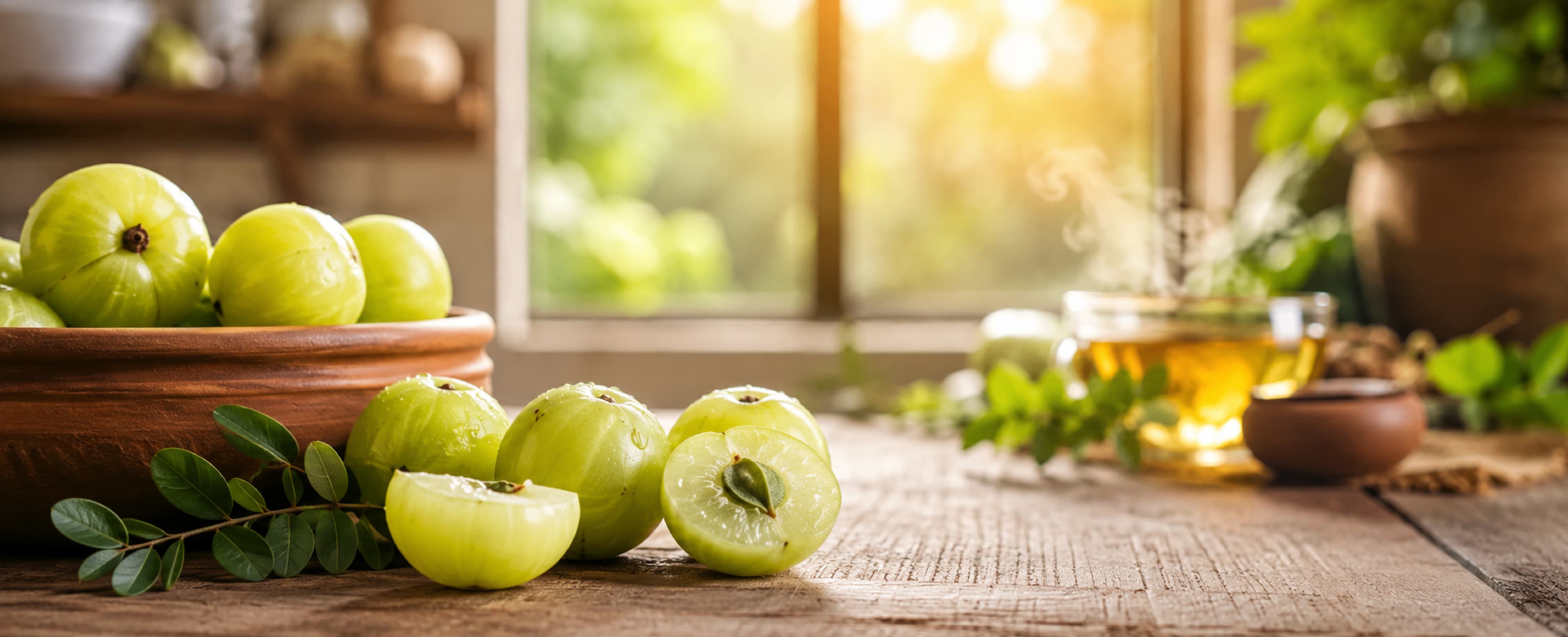
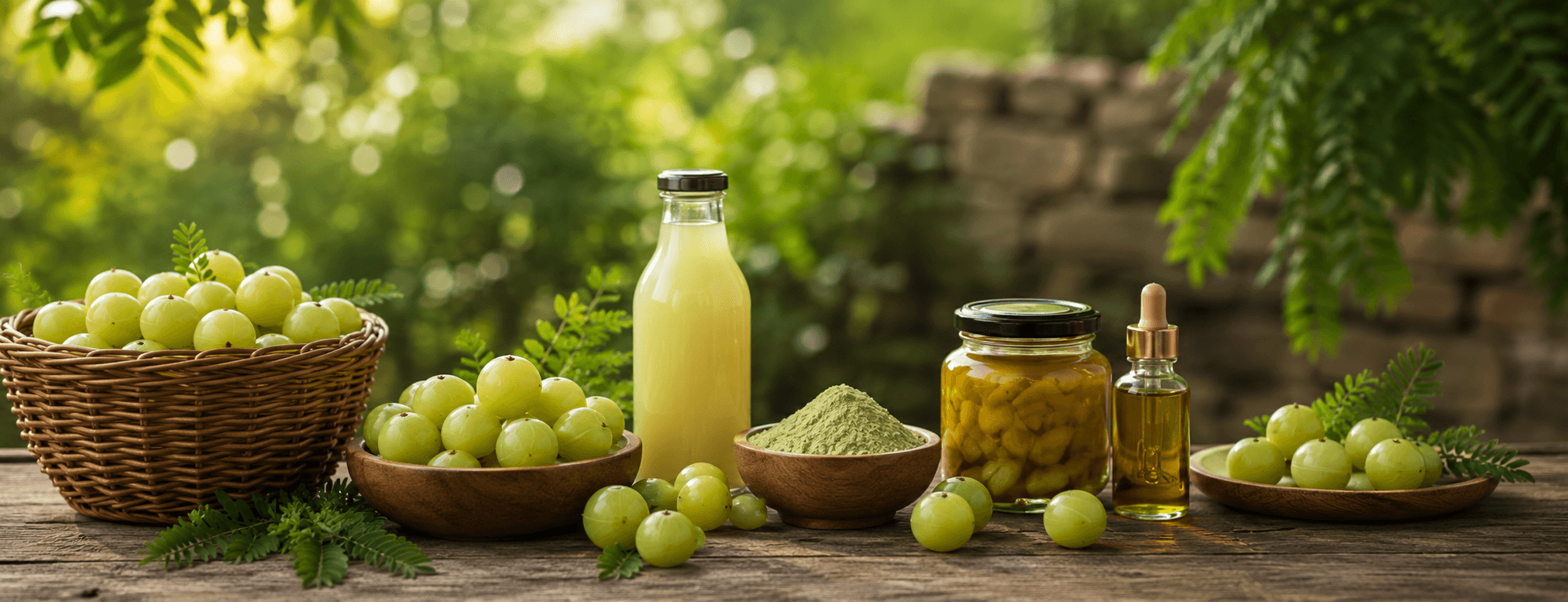
Some crops follow trends. Amla simply watches the trends come and go while quietly becoming more valuable every year. One season it's in juices, the next in gummies, powders, shampoos, immunity boosters, and somehow even in fancy skincare products with names nobody can pronounce. The humble Indian gooseberry has mastered the art of staying relevant without hiring a marketing team.
Why Farmers Are Looking at Amla Beyond Just Orchards
Amla cultivation is slowly becoming one of the smartest horticulture business ideas in India. The tree doesn't demand royal treatment every morning and can survive well in diverse climatic conditions. Compared to crops that behave dramatically after one unexpected rain or one hot week, amla trees are refreshingly practical.
Commercial amla farming starts yielding significantly after a few years, but once production stabilizes, the orchard can continue producing for decades. Popular varieties such as NA-7, Krishna, and Chakaiya are preferred because they combine good yield with market demand. In a world where everyone wants quick returns, amla farming politely reminds us that patience occasionally still pays the bills.
Cultivation Practices That Actually Matter
Successful amla cultivation begins with selecting healthy planting material and maintaining proper spacing in the field. The crop performs best in well-drained soil with adequate sunlight. Regular irrigation during the early years helps establishment, while pruning and nutrient management keep the trees productive.
The good news is that amla trees are comparatively hardy and require less intensive care than many fruit crops. The bad news is that some farmers still believe orchards can survive entirely on optimism and rainfall. Sadly, trees prefer water over motivational speeches.
The Market Loves Amla More Than Ever
The demand for Indian gooseberry farming products has exploded due to increasing awareness about health and herbal products. Fresh fruits, candies, murabba, pickles, powders, capsules, cosmetics, and nutraceutical products have created multiple income channels for growers.
Domestic demand remains strong, while export opportunities continue to expand for processed products. For farmers interested in medicinal plant cultivation and profitable fruit crops, amla offers something rare stability with growing market potential.
The Final Harvest
Amla is no longer just grandma's remedy hiding in the kitchen cupboard. It has become a serious agricultural business opportunity with roots in tradition and branches reaching modern markets. Sometimes the smartest investment isn't the loudest one in the room sometimes it's just a tree quietly growing profits season after season.