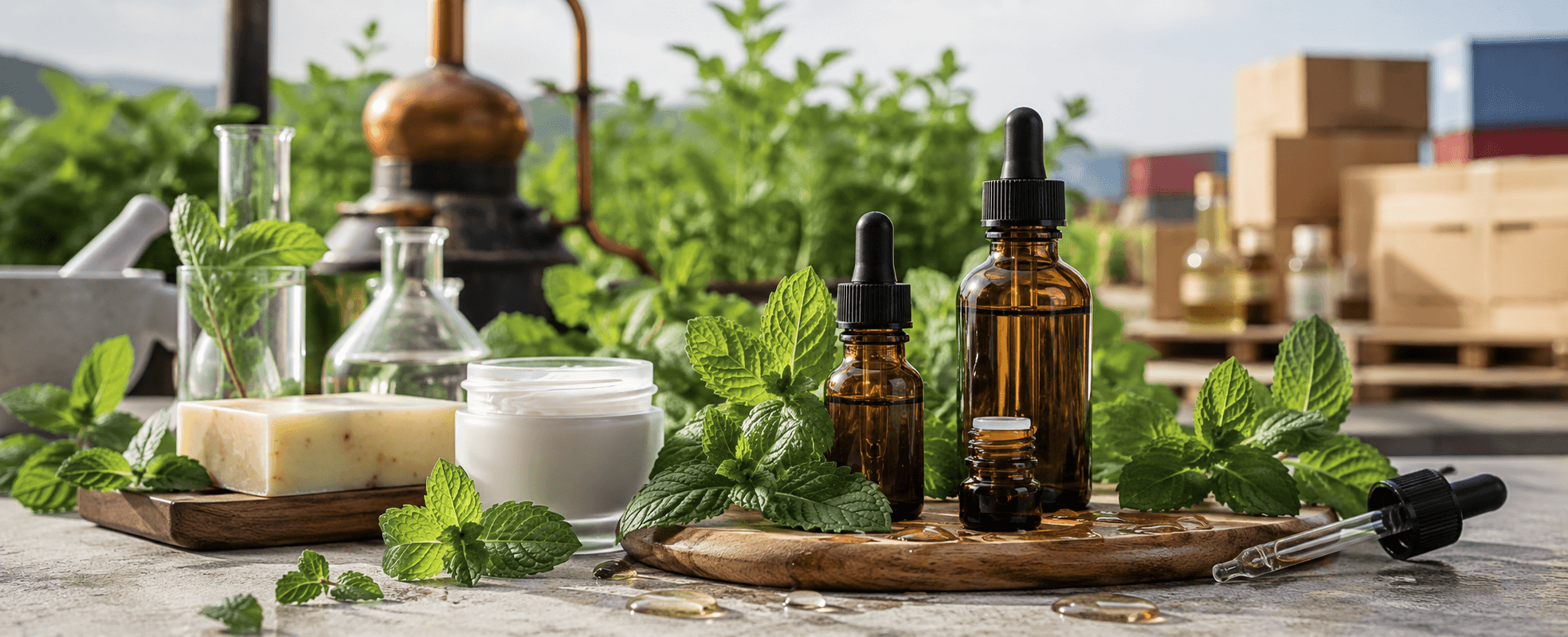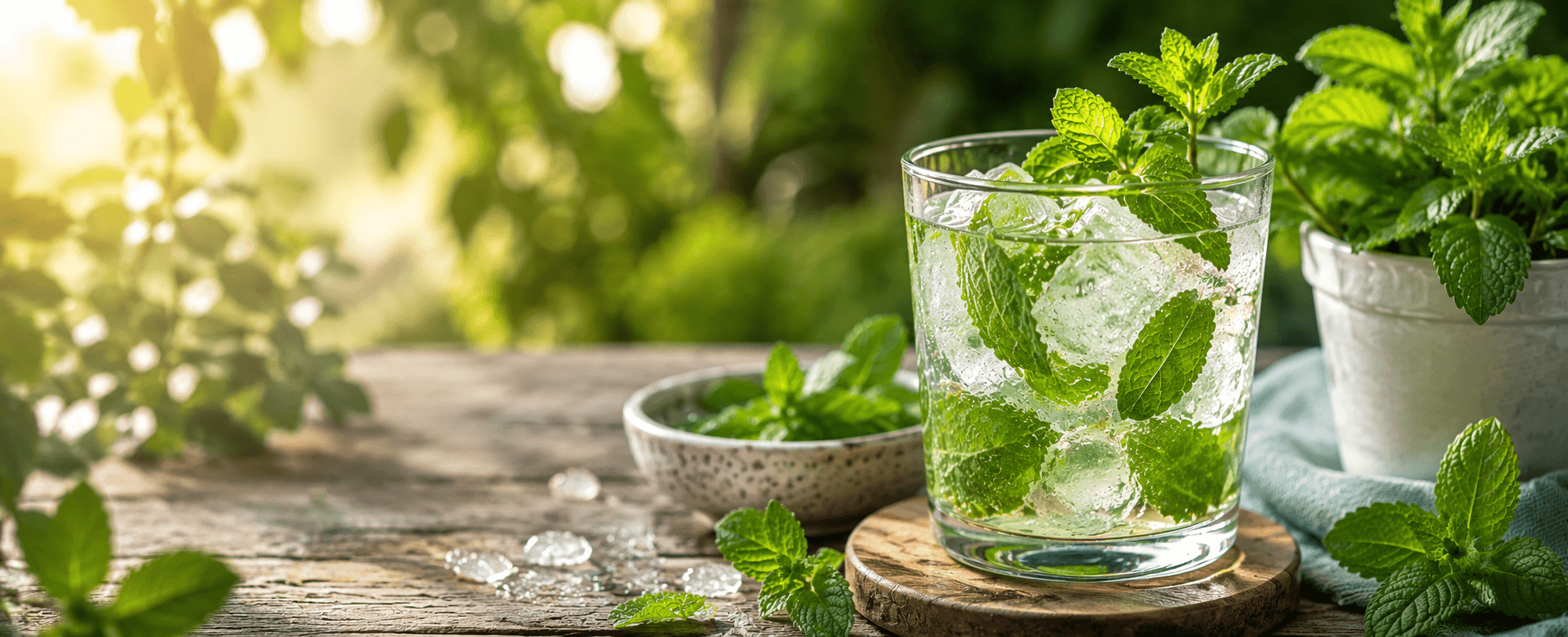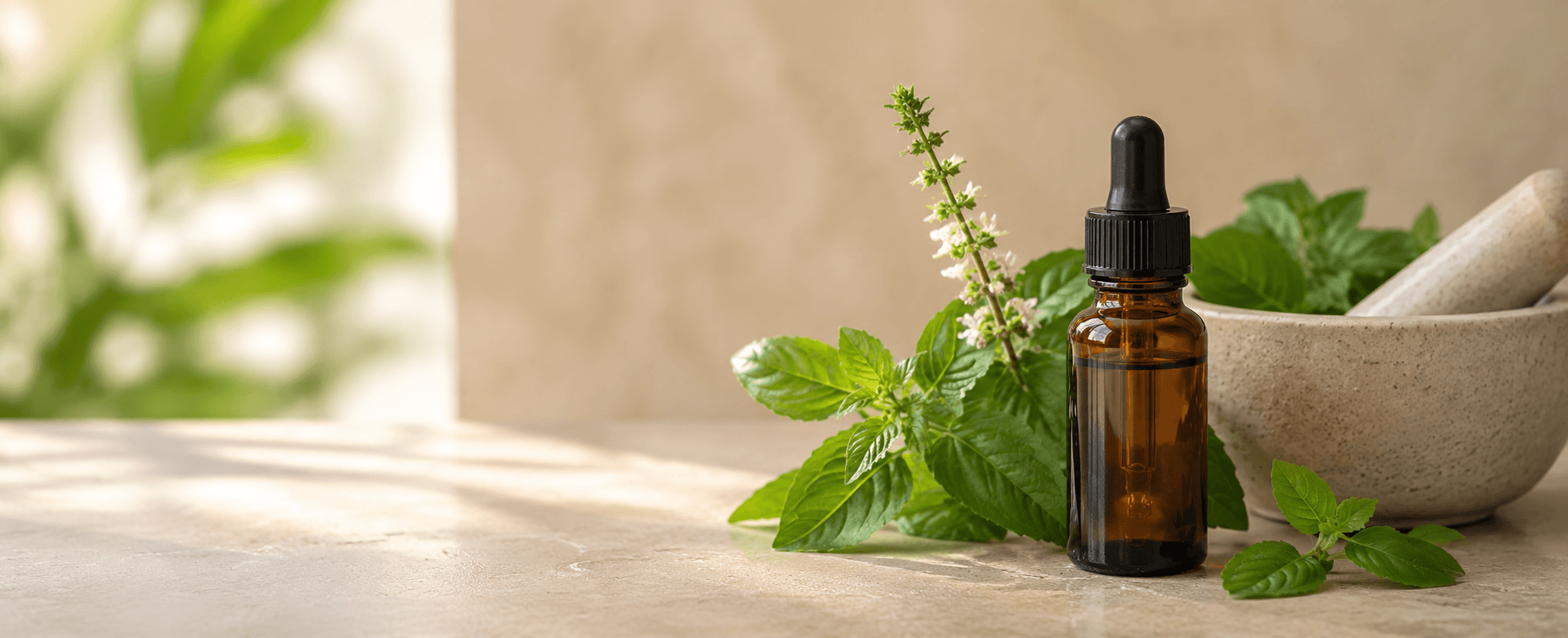
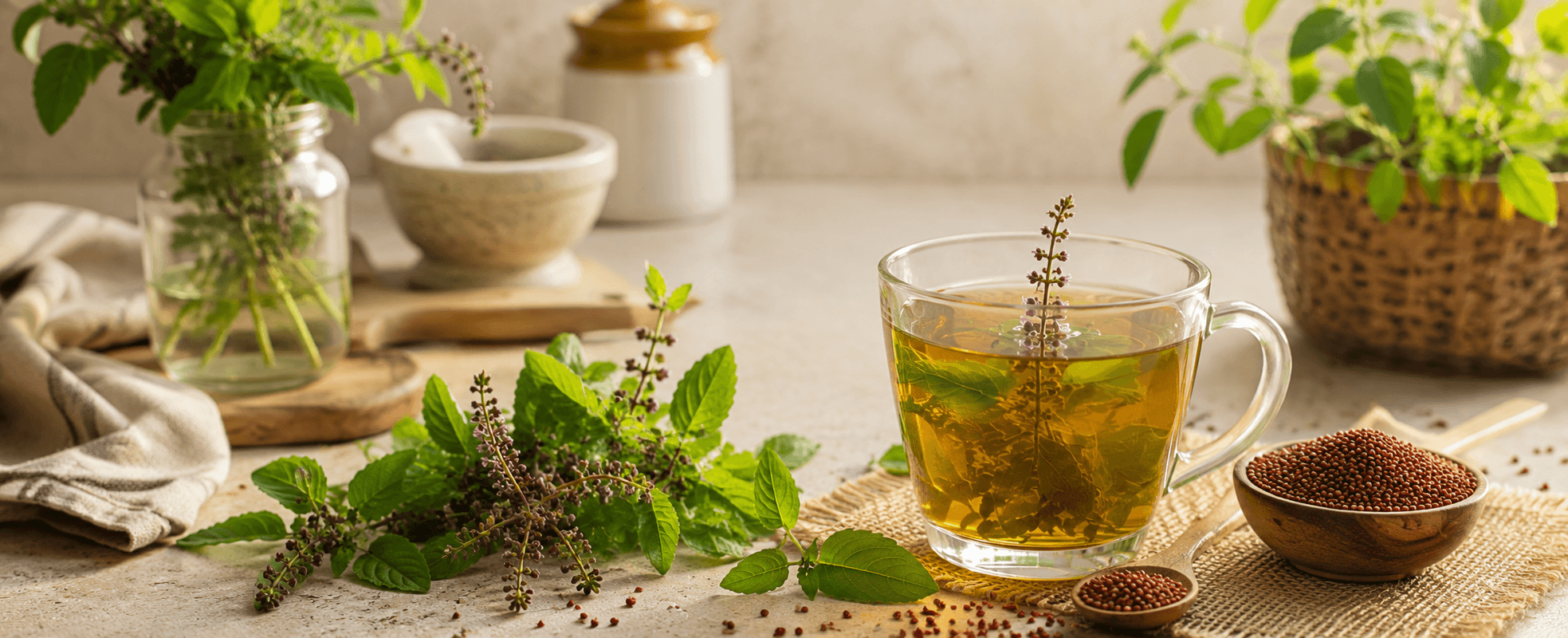
If plants had a royal family, Tulsi would undoubtedly be sitting on the throne wearing a crown. Known as the Queen of Herbs in Ayurveda, Tulsi (Holy Basil) has been treasured in Indian households for centuries. Long before fancy supplements and wellness trends took over social media, this humble green plant was already earning respect for its remarkable healing properties. But what makes Tulsi so special that Ayurveda gives it a royal title? Let's find out.
Not Just a Plant, but a Household Healer
Walk into many Indian homes, and you'll spot a Tulsi plant growing proudly in the courtyard or balcony. It's not there simply because it looks nice. In Ayurvedic medicine, Tulsi is considered a powerful herb that supports overall health and wellness. Whether it's a seasonal cough, a stressful day, or digestive discomfort, Tulsi has traditionally been the go-to remedy. Think of it as that reliable family member who somehow has a solution for every problem.
The Ayurvedic Superstar That Does It All
One reason Tulsi in Ayurveda is held in such high regard is its versatility. Unlike herbs that target just one issue, Tulsi seems to have an answer for many. Ayurvedic texts describe Tulsi as an herb that helps balance the body's energies while promoting physical and mental well-being. It is commonly used to support respiratory health, strengthen immunity, improve digestion, and help the body cope with stress. That's quite an impressive résumé for a plant that quietly grows in a pot.
Tulsi and Stress: Nature's Gentle Reminder to Relax
Modern life has us checking notifications every five minutes and treating sleep like an optional hobby. Fortunately, Tulsi is known for its adaptogenic properties, meaning it may help the body adapt to stress more effectively. In traditional healing practices, Tulsi tea is often consumed to promote calmness and mental clarity. No, it won't magically delete your deadlines, but it might help you face them without feeling completely overwhelmed.
Why the Crown Still Fits Today
Even in an age filled with wellness products and health trends that seem to change every week, Tulsi continues to hold its place. Scientific research is increasingly exploring many of the benefits that Ayurveda has celebrated for centuries. The truth is simple: when an herb remains relevant for thousands of years, it probably deserves some attention.
Final Thoughts
Tulsi is called the Queen of Herbs in Ayurveda because it combines healing, wellness, tradition, and spirituality in one remarkable plant. Its ability to support the body, calm the mind, and remain deeply rooted in traditional healing practices has earned it a reputation few herbs can match. So the next time you see a Tulsi plant quietly growing in a corner, remember you might just be looking at royalty.