Let's be honest, when someone says "herbs," most people think of their kitchen shelf. A dusty jar of turmeric. Some dried ginger tea. Maybe a bottle of ashwagandha someone gifted and never opened.
The Green Rush Nobody's Talking About Loudly Enough
The global medicinal and aromatic plant market was already valued at over USD 400 billion in the mid-2020s, and it's on track to nearly double in the next decade. That's not a niche. That's not a trend. That's a structural shift in how the world sources ingredients across pharma, food, cosmetics, and nutraceuticals. The best part? The demand isn't seasonal. It's not one viral TikTok trend that disappears by Tuesday. It's contract-driven, repeat buying, from serious industries that need these herbs every single quarter. So if you're an exporter or thinking of becoming one, 2026 might just be your most interesting year yet.
The Herbs That Are Actually Moving
Turmeric The Golden Child
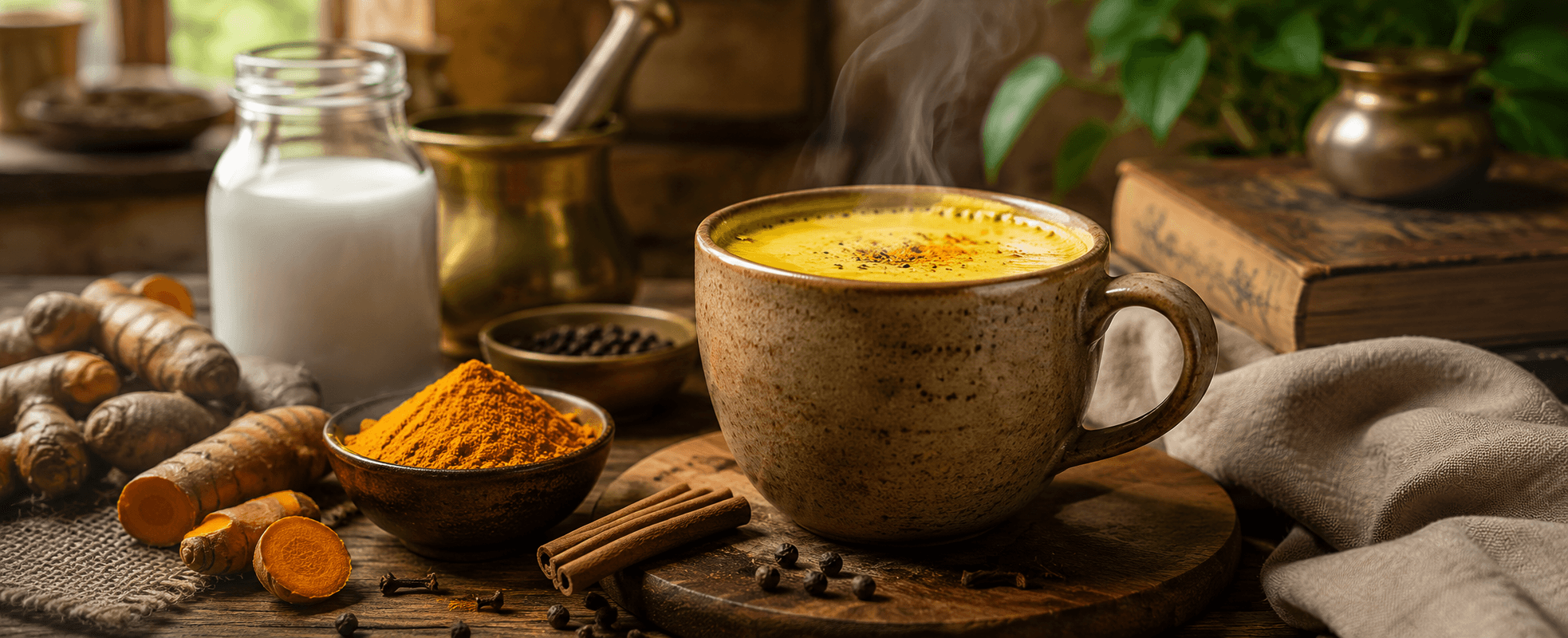
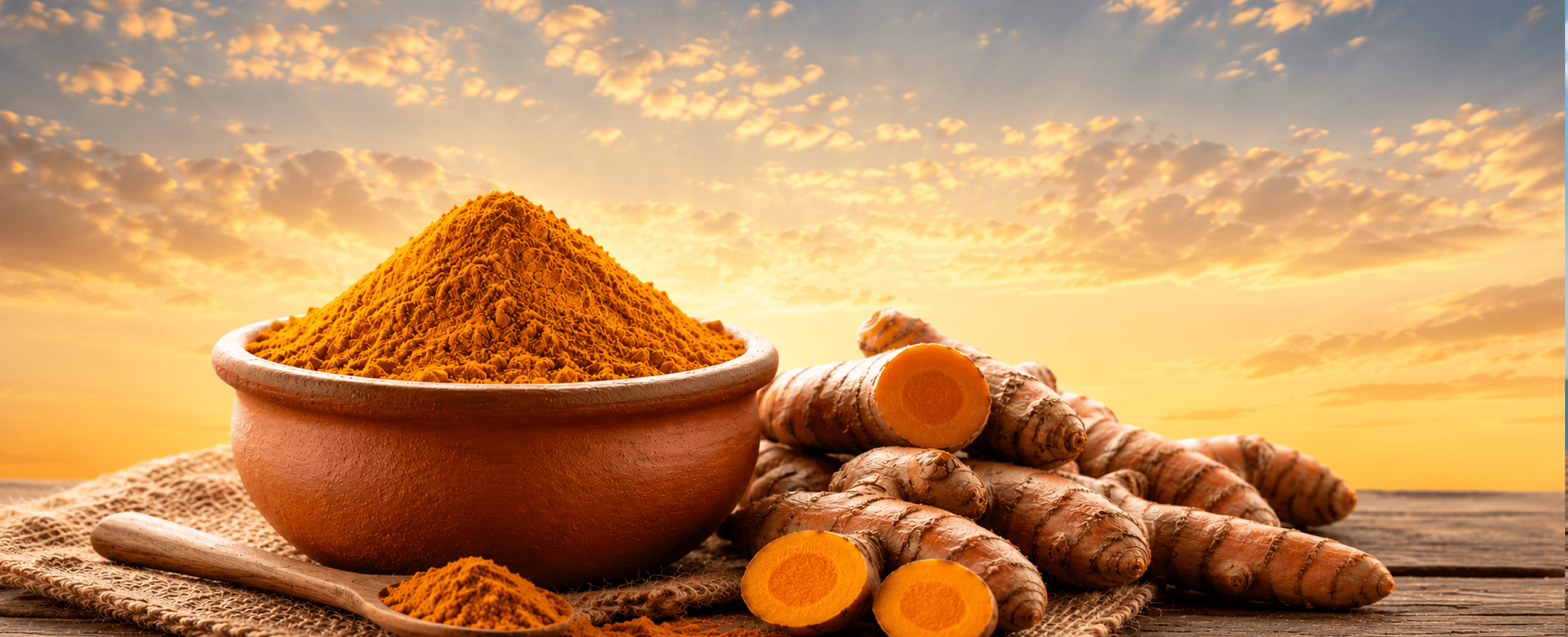
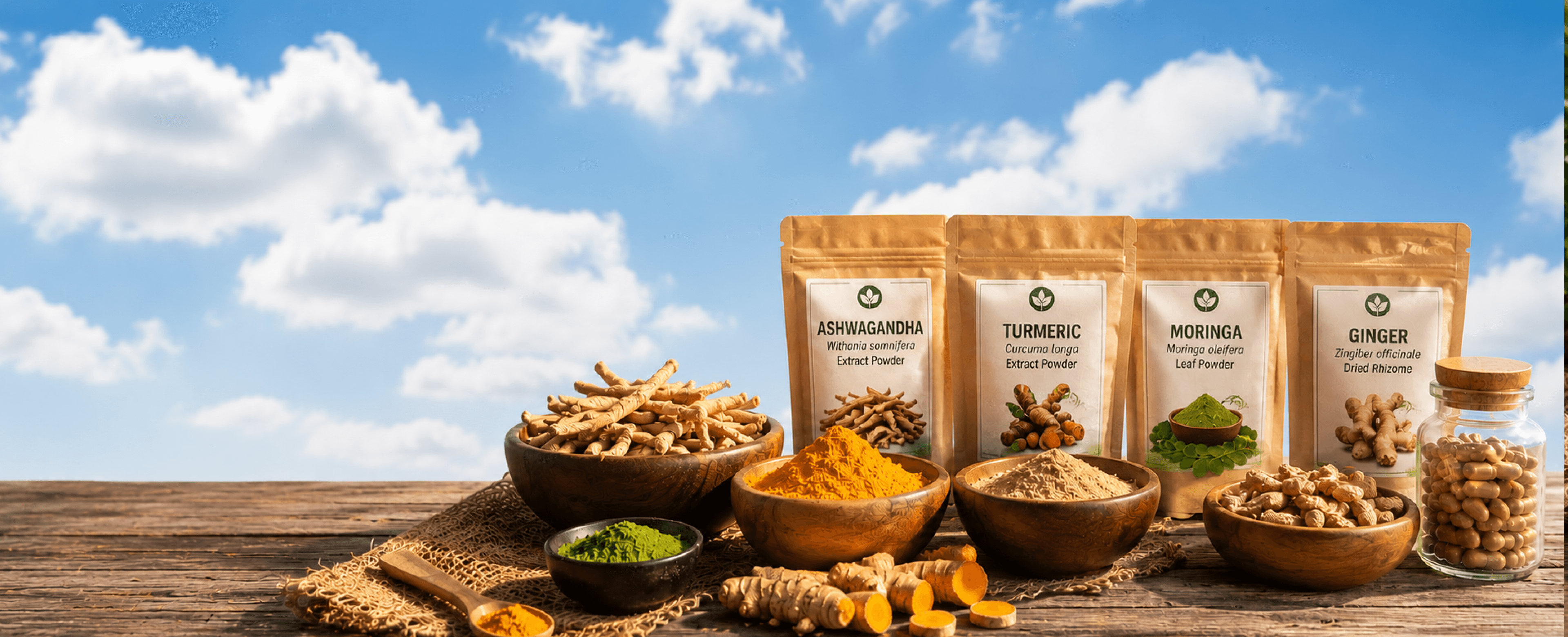
Turmeric isn't just for your golden milk latte anymore. Pharmaceutical companies want its curcumin content. Cosmetic brands want their anti-inflammatory magic. Food manufacturers want it for clean-label claims. The demand is coming from all sides at once, which, spoiler alert, is exactly what makes it so stable for exporters. High-curcumin varieties from Erode and Nizamabad are the ones buyers are specifically hunting for. Quality specs matter here more than ever.
Ashwagandha, The Stress Herb, Having a Very Stress-Free Moment
Ashwagandha went from being an Ayurvedic staple to a global wellness product, and honestly, good for it. Europe and North America can't seem to get enough. Nutraceutical brands are reformulating with it. Supplement companies are practically elbowing each other for reliable supply. If there was ever a herb that "glowed up," it's ashwagandha.
Ginger Old Reliable Never Lets You Down
Ginger has been traded globally for centuries. It didn't need a rebrand or a wellness campaign it just kept showing up in pharma, food processing, and beverage formulations, year after year, dependably. That consistency is underrated. In commodity trade, boring can be very, very profitable.
Why 2026 Is Different From Previous Years
The real story here isn't just which herbs are in demand, it's how they're being bought. Buyers aren't doing spot purchases anymore. They're locking in supply through longer contracts, demanding certification, and being very specific about quality grades and sourcing. In other words, the casual "send me a sample, and we'll see" buyer is being replaced by procurement teams with checklists and compliance requirements. This is actually good news for serious exporters. It filters out the noise and rewards those who invest in quality, documentation, and reliable supply.
What Exporters Keep Getting Wrong
Here's where a lot of herbal exporters stumble: they chase every "super herb" that gets mentioned in a health article, scramble to source it, and then find that by the time they're ready, the demand wave has already passed, or worse, 200 other suppliers have had the same idea. The smarter play? Focus on herbs that are already embedded in global supply chains. Not the new and flashy ones, the ones that pharmaceutical companies, food brands, and cosmetic manufacturers are quietly reordering every single month.
Consistency beats novelty. Every single time.