There was a time when amla was that one fruit most of us avoided as kids. Too sour. Too bitter. Too healthy. But look at it now, sitting proudly in international supermarkets, wellness stores, beauty products, and health supplements, like it always knew it was destined for global fame. Honestly, if fruits had a revenge arc, amla would win an Oscar.
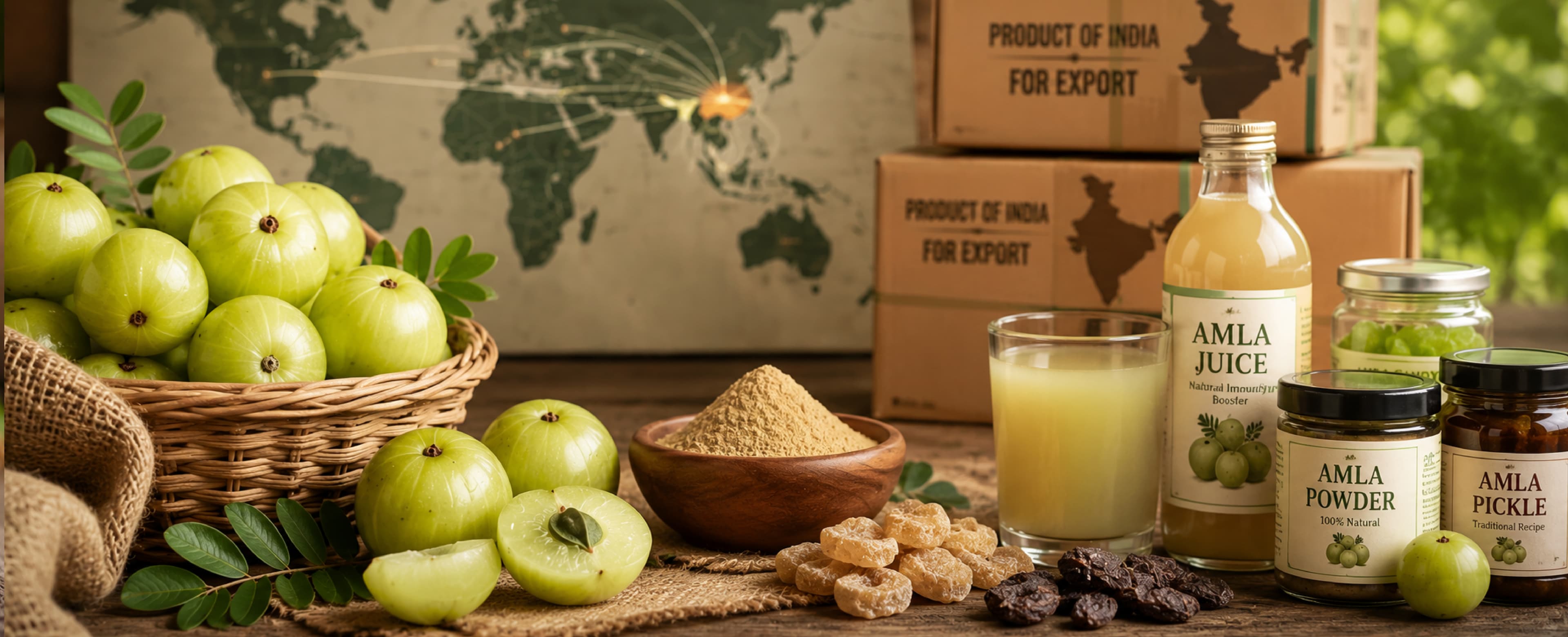
India, being the largest producer of Amla, has slowly turned this humble green fruit into a serious export business. From powders and juices to candies and oils, amla is no longer just a home remedy whispered by grandmothers during winter. It is now part of the global wellness economy, and the world is buying it fast.
The Tiny Fruit With a Massive Reputation
Amla is loaded with Vitamin C, antioxidants, and medicinal properties, which make it a favorite in the health and wellness industry. While the modern world spends billions chasing “superfoods,” India quietly had one growing in its backyards all along. Typical. Countries like the United States, UAE, Germany, and the United Kingdom are importing Indian amla products for use in herbal medicine, cosmetics, dietary supplements, and organic food markets. The demand is especially rising because people everywhere are suddenly obsessed with immunity, natural remedies, and clean eating. One pandemic later, everyone remembers plants exist.
Why Indian Amla Dominates the Export Market
India has the perfect climate and traditional agricultural knowledge for growing high-quality amla. States like Uttar Pradesh, Rajasthan, Gujarat, and Madhya Pradesh are major production hubs. Farmers are now realizing that this “ordinary” fruit actually has extraordinary market value when processed properly.
And here’s where things get interesting. Raw amla is good business, but processed amla is even better business. Powders, pickles, murabba, candies, herbal extracts, hair oils, and juices generate much higher profits in international markets. Basically, amla had a glow-up, and the export industry noticed.
The Wellness Industry’s Favorite Ingredient
The global herbal and Ayurvedic market is expanding rapidly, and amla fits perfectly into this trend. International consumers are now reading ingredient labels carefully, avoiding chemicals, and moving toward natural products. Meanwhile, Indian households are sitting there like, “We told you this 20 years ago.” Big wellness and cosmetic brands are using amla in shampoos, skincare products, immunity boosters, and detox drinks. The fruit’s anti-aging and hair-health benefits have become major selling points. Somewhere, an expensive foreign beauty brand is selling ancient Indian amla therapy at ten times the price your grandmother suggested for free.
Export Challenges: Not Everything Is Sweet Like Amla Candy
Despite the growing demand, the amla export industry still faces challenges. Quality standardization, packaging, cold storage, and international certification remain major hurdles for many exporters and small farmers. Global buyers want consistency, hygiene, and proper documentation because, apparently, handwritten trust and good intentions are not official trade certificates. Another issue is the lack of awareness among small-scale growers about export opportunities. Many farmers still sell their produce at lower local prices without realizing the international potential of value-added amla products.
The Future Looks Bright And Slightly Green
The future of India’s amla export market looks promising. As Ayurveda, herbal wellness, and plant-based nutrition continue gaining popularity worldwide, amla demand is expected to grow even more. Government support, better processing units, improved packaging, and digital export platforms are helping Indian businesses enter global markets faster. What was once a fruit forced upon children during winter mornings is now representing India in international trade.