The Herb That Went From Grandma’s Cure to Global Headline
Once upon a time, ashwagandha was that innocent little herb sitting proudly in Ayurveda textbooks and wellness Instagram reels, promising stress relief, better sleep, and inner peace (basically a yoga retreat in capsule form). But fast-forward to 2023–2025, and suddenly regulators across the world are looking at it like, Are you really that harmless, or just very good at marketing? Yes, the same herb that wellness influencers call “nature’s chill pill” is now under serious regulatory observation.
Europe Said, Let’s Talk About This Seriously
The drama officially started when Denmark became the first European country to ban ashwagandha in food supplements in 2023. Not a warning, not a gentle suggestion, but an actual removal from shelves. And like a domino effect in a slow-motion documentary, other countries started tightening rules, reviewing safety data, and basically asking manufacturers, What exactly are you putting in these capsules?
Why the Sudden Side-Eye from Regulators?
The issue isn’t that ashwagandha suddenly became evil overnight. It’s more like regulators finally opened the full file and said, Wait! We don’t have enough long-term safety clarity here.
Concerns include:
Inconsistent safety data across studies
Possible side effects at high doses
Complex chemical compounds that are harder to fully standardize
Reports of adverse reactions in some cases
So yes, the herb didn’t change. The scrutiny did.
In India’s Plot Twist: Use the Root, Not the Drama
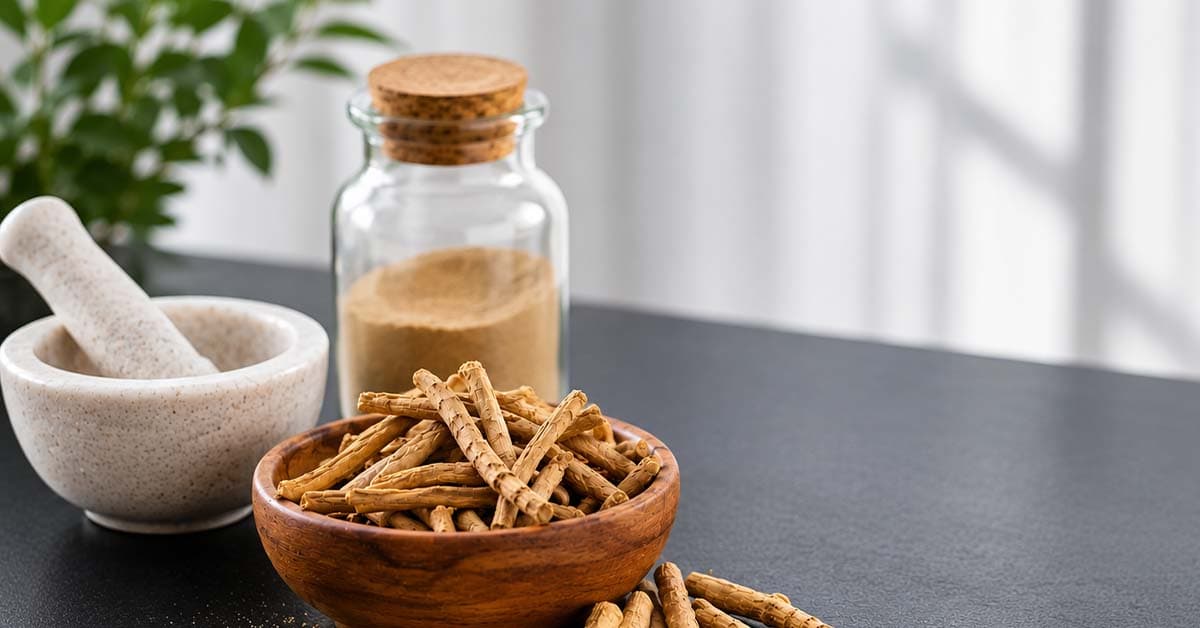
Meanwhile, in India, the conversation took a more technical turn. Authorities clarified that only the root of ashwagandha is allowed in regulated supplements, while leaves are restricted due to safety concerns and lack of strong traditional backing for their use. So it’s not a full ban, it’s more like a strict follow-the-recipe-properly rule.
So What Do We Actually Learn From This?
Ashwagandha isn’t good or bad, it’s just being re-evaluated in a world where natural is automatically safe, and regulators are finally treating herbal supplements with the same seriousness as pharmaceuticals. It’s a reminder that tradition and science don’t always argue; they sometimes just need a proper introduction.
Final Thought
So next time someone calls a supplement 100% safe because it’s herbal, you might want to smile politely and remember that even nature now comes with regulatory fine print. Because in 2025, even ancient herbs have to pass the modern exam.