There was a time when farming meant choosing between wheat, rice, or sugarcane and praying that the weather, market, and middlemen would all decide to cooperate at the same time. Today, a new category is slowly walking into the spotlight: medicinal plant farming. And unlike many agricultural trends that disappear faster than New Year gym memberships, this one seems to be staying.
The Herbal Farming Wave Is No Longer a Side Story
The demand for medicinal plants has moved far beyond grandma's kitchen remedies and that mysterious kadha everyone suddenly became an expert in during the pandemic. The herbal wellness industry is expanding rapidly, creating exciting medicinal crop opportunities for farmers looking beyond traditional crops.
With rising demand for herbal supplements, Ayurvedic products, and natural health solutions, medicinal plant farming is becoming a serious business model. Farmers are increasingly exploring profitable herbal crops and high-value crops that offer better returns with comparatively smaller land holdings.
Giloy: The Vine That Refused to Stay Ordinary
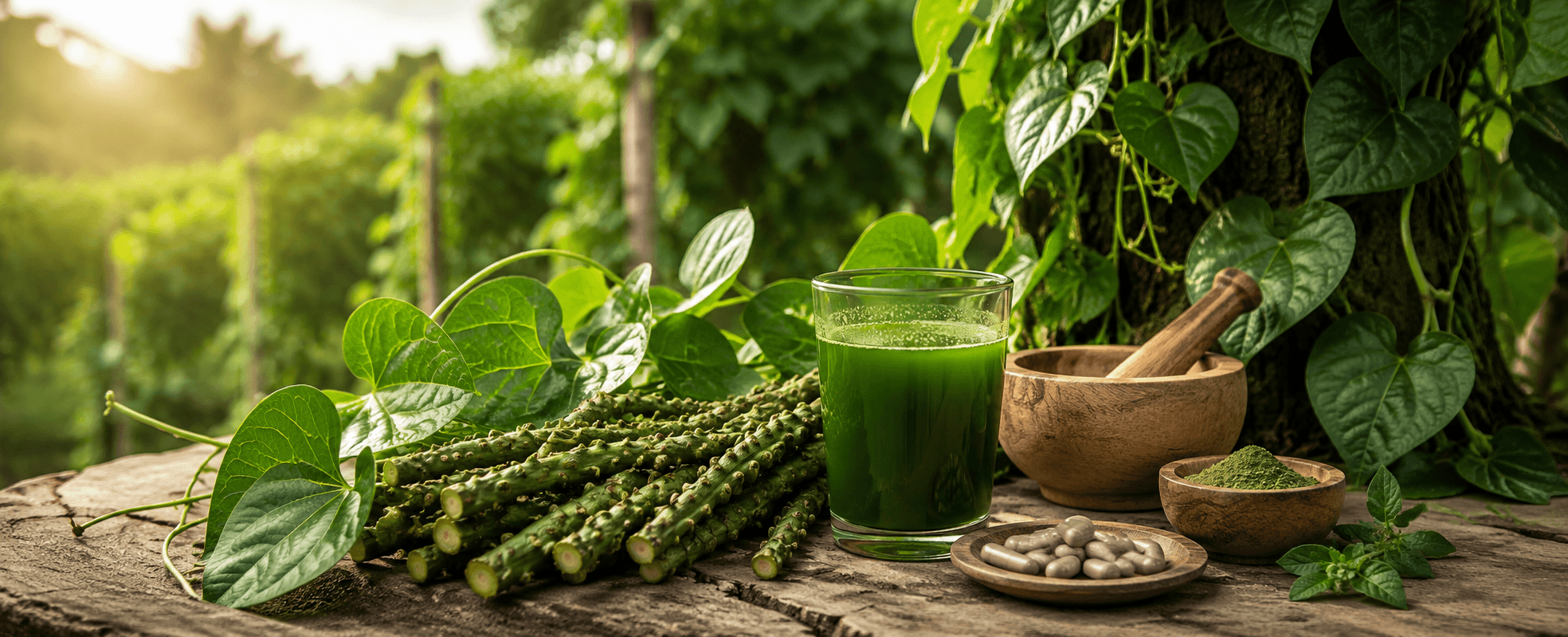
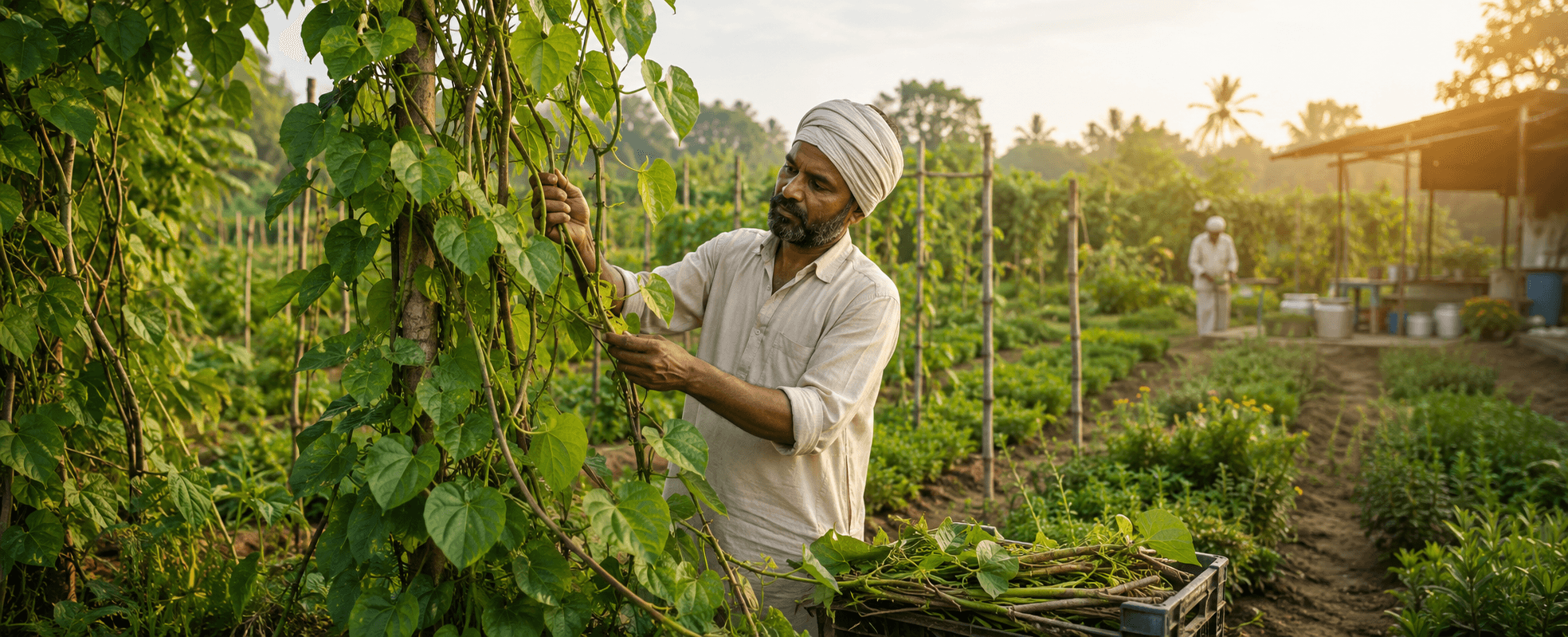
Among the many medicinal plants entering commercial cultivation, Giloy has quietly built its reputation. It does not come with flashy colours or Instagram-worthy flowers, but neither does a bank fixed deposit, and people still trust it.
Known in Ayurveda for its wellness benefits, Giloy has found its way into capsules, powders, juices, extracts, and herbal teas. This growing market demand has pushed farmers to look closely at giloy cultivation profit and long-term commercial potential.
The best part? Once established, the vine requires relatively low maintenance and can be cultivated alongside support trees or structures, making it an attractive option for diversified farming systems.
The Bigger Question: Is Medicinal Farming the Future?
The answer may not be a dramatic yes, but it is certainly a confident maybe leaning heavily toward yes.
Consumers are reading labels more carefully, companies are sourcing herbal raw materials more aggressively, and global markets are becoming increasingly interested in medicinal crops. For farmers willing to think beyond conventional patterns, herbal farming business models offer room for growth and innovation.
Giloy may not scream for attention in the field, but sometimes the quietest crop turns out to be the smartest investment.
Closing Thoughts: The Green Gold Doesn't Always Wear Gold
The future of farming may belong to crops that heal as much as they earn. Giloy stands at an interesting crossroads of tradition and commerce a medicinal vine with modern market value. In a world chasing the next big thing, perhaps this humble climber has already quietly become one.