Everyone loves talking about the next superfood or the latest wellness trend. One week it's sea moss, the next it's mushroom coffee. But while flashy trends keep changing outfits, chamomile has been sitting in the corner with a cup of tea, calmly proving its worth. Funny enough, the flower that looks the simplest is becoming one of the smartest bets in the global herbal market.
From Remedy to a Global Wellness Superstar
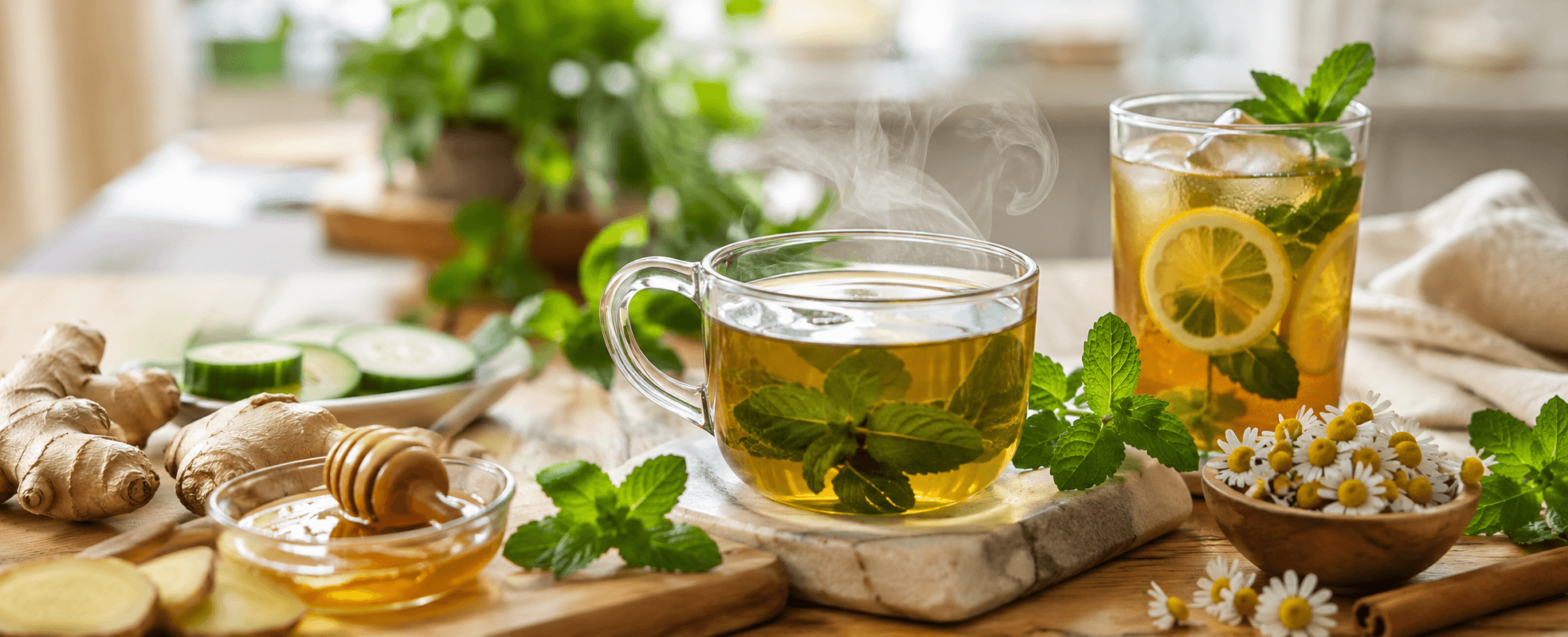
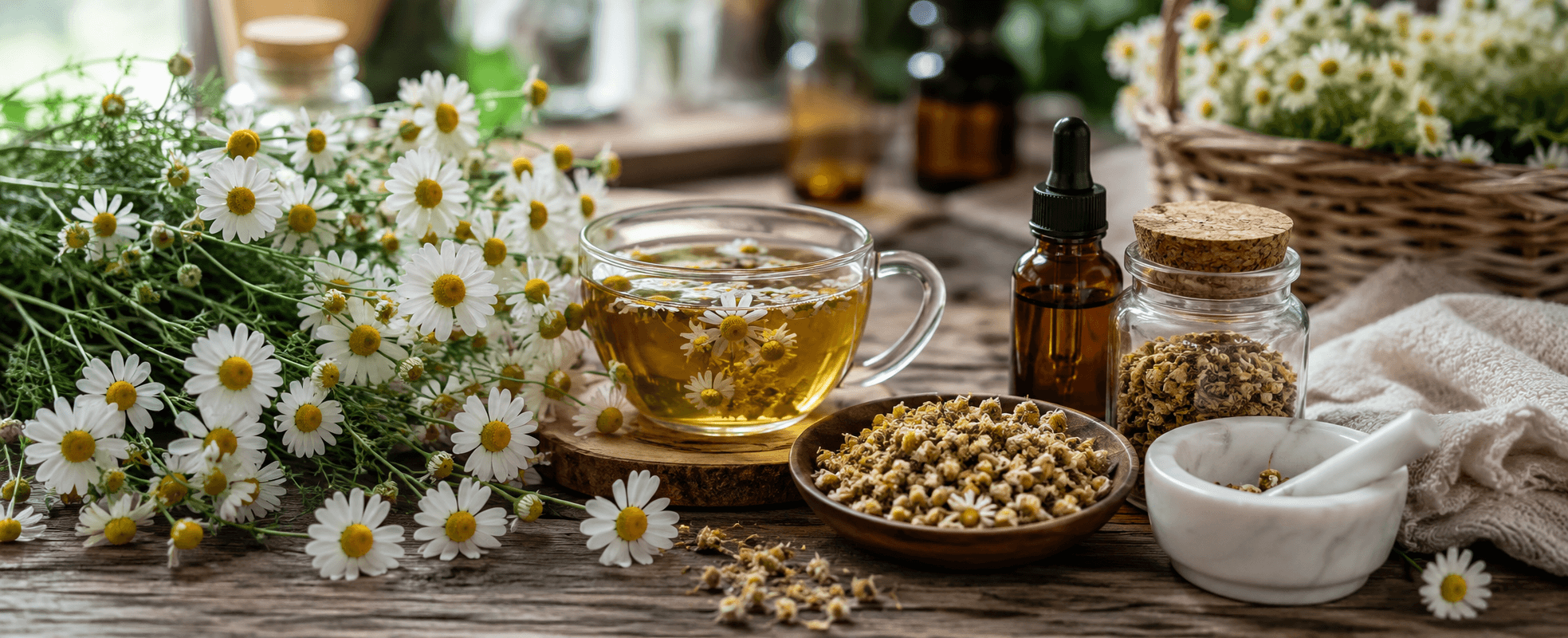
There was a time when chamomile was known only as a bedtime tea or a homemade remedy for an upset stomach. Today, that story has completely changed. Consumers are looking for natural products instead of chemical-heavy alternatives, and chamomile fits perfectly into this shift. It is now finding its place in herbal teas, skincare products, cosmetics, essential oils, dietary supplements, and even functional beverages.
The best part? This demand isn't driven by hype alone. People are becoming more conscious about what they consume, and brands are responding by choosing trusted herbal ingredients. Turns out, the little daisy-like flower has a much stronger passport than many expected.
Herbal Market Trends Are Giving Chamomile a Serious Push
The global herbal industry is growing because health-conscious consumers are asking better questions. They want clean labels, plant-based ingredients, and products that actually make sense. Chamomile checks all those boxes without making too much noise.
Demand is rising across Europe, North America, and several Asian countries where herbal wellness products are becoming part of daily life. Organic farming, sustainable sourcing, and eco-friendly packaging are also pushing chamomile into premium markets. It's almost ironic that while some products spend millions trying to look natural, chamomile simply is natural.
For farmers and exporters, this creates an interesting opportunity. High-quality dried flowers, extracts, and essential oils are attracting buyers who are willing to pay more for consistency and certified quality.
The Road Ahead: Bigger Opportunities, Smarter Farming
The future of chamomile looks promising, but success won't come by simply growing more flowers. Quality, traceability, proper drying methods, and international certifications will decide who benefits the most from this growing demand.
Countries investing in medicinal plant cultivation are already expanding their presence in export markets, and India has the potential to become an important player with the right farming practices and value-added processing. Instead of selling only raw flowers, businesses can create extracts, herbal blends, and wellness products that offer much higher returns.
Final Thoughts: Small Flower, Massive Potential
Chamomile may never be the loudest name in the herbal world, and honestly, it doesn't need to be. While trends come and go chasing attention, this humble flower keeps building trust, one cup, one product, and one market at a time. In the global herbal industry, that's exactly the kind of growth that lasts, and sometimes, the quietest bloom leaves the biggest impact.