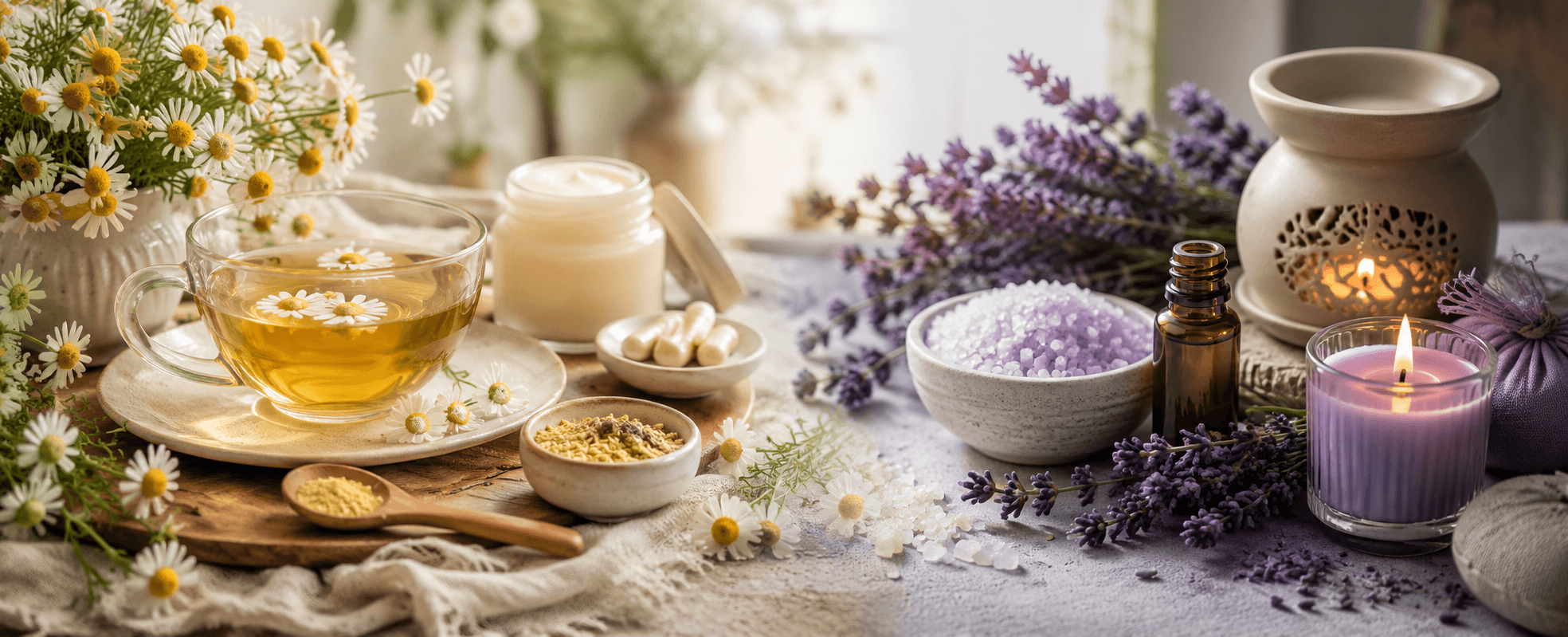
People usually think of chamomile as that calming herbal tea you drink after a stressful day. But here's the plot twist while some people are sipping chamomile to relax, smart farmers are growing it to build an extra source of income. Chamomile may look delicate, but don't let those tiny white flowers fool you. This medicinal herb has quietly become one of the most promising crops in the herbal and wellness market. With increasing demand from tea brands, cosmetic companies, and pharmaceutical industries, chamomile farming is slowly becoming a business opportunity worth paying attention to.
Tiny Flowers, Big Opportunities: Why Chamomile Deserves Your Farm
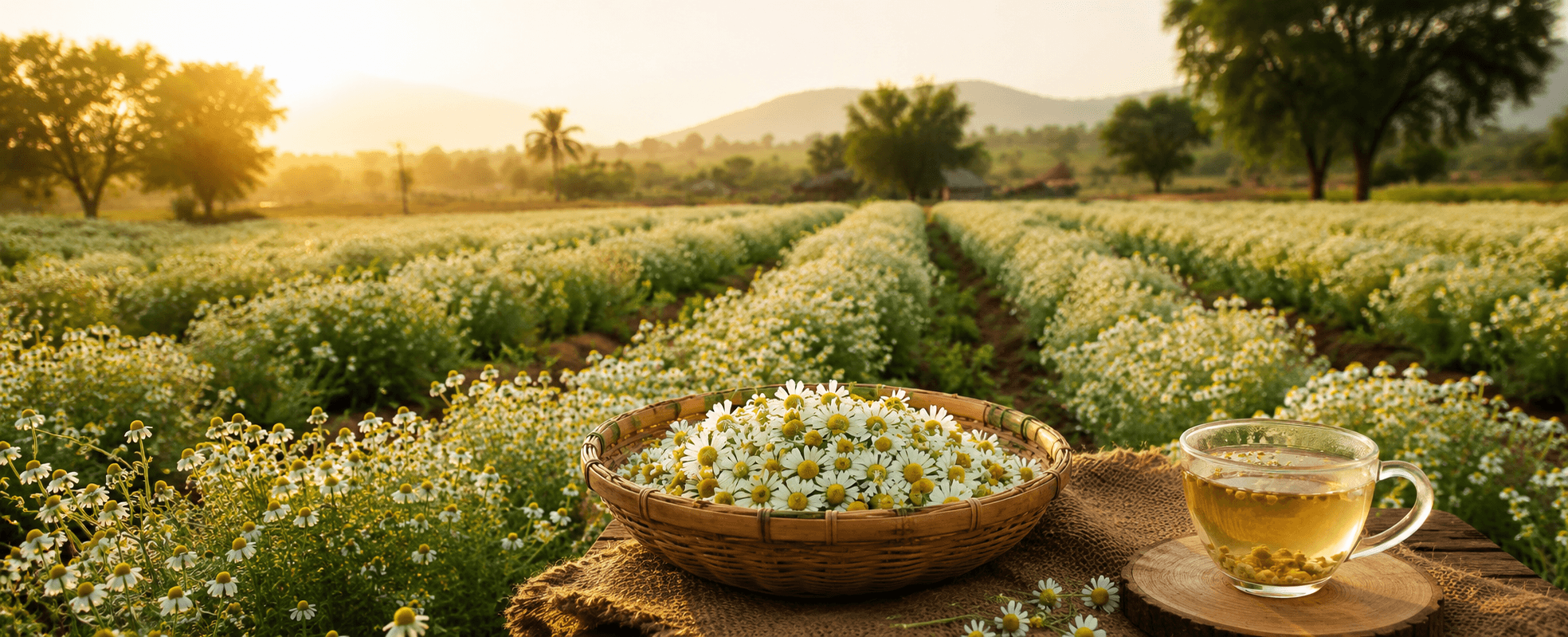
Chamomile grows best in cool weather and prefers well-drained sandy loam soil with good sunlight. In India, states like Uttar Pradesh, Punjab, Haryana, Rajasthan, and parts of Himachal Pradesh provide suitable conditions for its cultivation. The crop is generally sown between October and November, and within a few months, the fields are covered with fragrant white flowers.
The best part? Chamomile doesn't behave like one of those crops that constantly demands attention. It requires proper irrigation during the early stages, regular weeding, and balanced nutrients, but once established, it is comparatively easy to manage. Of course, farming is never completely "plant today, become rich tomorrow" if only agriculture worked like those motivational social media reels. Success still depends on good management and timely harvesting.
The Secret Behind Better Yields Isn't Luck
A profitable chamomile crop begins with quality seeds and proper field preparation. Farmers should prepare fine seedbeds because chamomile seeds are extremely small and require shallow sowing. Organic manure mixed before planting improves soil health and supports better flowering.
Flower harvesting is usually done when the blooms are fully open, as this stage contains the highest concentration of essential oils. Delayed harvesting may reduce both quality and market value. After harvesting, flowers should be dried carefully in shaded, well-ventilated conditions to preserve their colour, aroma, and medicinal properties. Small post-harvest mistakes can quietly reduce profits faster than most farmers expect.
Growing Demand Means Growing Possibilities
The global herbal industry continues to expand, and chamomile has become an important ingredient in herbal teas, essential oils, skincare products, dietary supplements, and natural medicines. This growing demand creates opportunities for Indian farmers to supply both domestic and export markets. Those who focus on quality production, proper drying, and clean packaging often find better buyers and stronger returns.
A Small Flower with a Big Future
Chamomile farming proves that high-value agriculture doesn't always come from large fields or expensive crops. Sometimes, the smallest flowers open the biggest business opportunities. With the right cultivation practices, patience, and attention to quality, chamomile can become much more than another seasonal crop it can be a profitable step towards diversified and sustainable farming. After all, while the world searches for peace in a cup of chamomile tea, farmers can quietly find prosperity in the field.