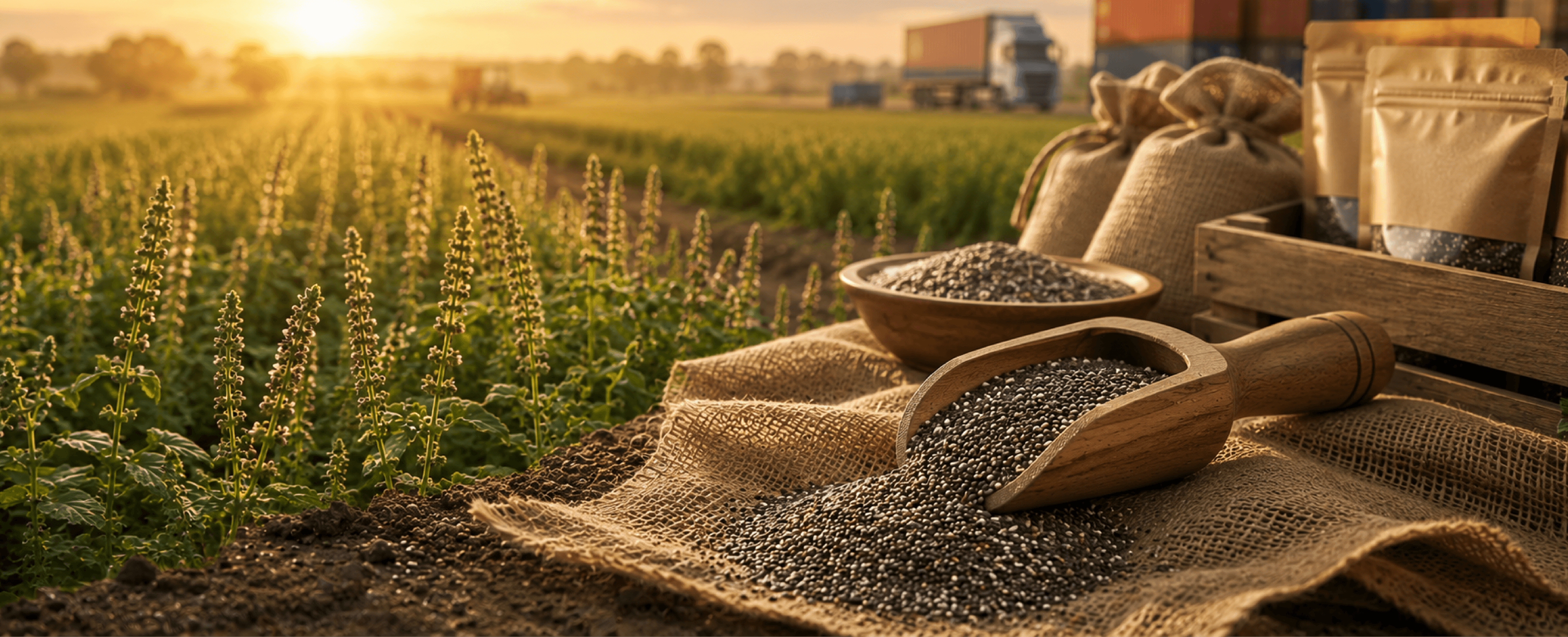
Some farmers play it safe. Wheat, rice, pulses, the usual suspects. And honestly, who can blame them? Farming already feels like a daily episode of, Will the weather ruin everything today? But in Karnataka’s Bidar district, one farmer decided to take a risk on something people mostly sprinkle on smoothies and Instagram breakfast bowls: chia seeds. Yes, those tiny black seeds that fitness influencers treat like edible gold dust. And surprisingly? The gamble worked.
When Farming Stops Following the Script
For years, many farmers have been trapped in the same cycle of rising input costs, uncertain rainfall, unstable market prices, and crops that barely leave enough profit after harvest. It’s exhausting. Imagine working for months only to realise the middleman earned more than you did. That’s where this story becomes different. Instead of sticking to traditional crops, the farmer experimented with chia cultivation after noticing its increasing demand in health-conscious markets.
Tiny Seeds, Big Business
Chia may look small, but the market around it is anything but tiny. Packed with omega-3 fatty acids, fibre, and protein, chia seeds have become a favourite among health-focused consumers. Suddenly, cafes, supermarkets, and nutrition brands all wanted a piece of the chia craze. The smart part? The farmer didn’t just grow a crop, he grew something with market value. That’s the difference many people ignore. And let’s be honest, if urban consumers are willing to pay extra for a spoonful of seeds in a fancy glass jar, someone in the supply chain is definitely making money. This time, thankfully, the farmer did too.
Risky? Yes. Worth It? Absolutely
Trying an unconventional crop is never easy. There’s uncertainty about climate suitability, seed availability, market access, and whether buyers will even show up. One failed season can shake confidence badly. But stories like this matter because they show that calculated risks in farming can open new opportunities. Diversification is slowly becoming necessary, especially for farmers struggling with low returns from conventional crops. Of course, chia farming is not some magical become-rich-overnight agricultural fantasy. Every region has different soil conditions, climate limitations, and market realities. But the success from Bidar proves one thing clearly, innovation in farming is no longer optional. It’s survival.
The Real Lesson Hidden Between the Seeds
What makes this story inspiring isn’t just profit. It’s a mindset. While many people still think farming means doing things exactly the way previous generations did, younger and progressive farmers are quietly rewriting the rules. They are researching niche crops, exploring export markets, using social media for awareness, and treating agriculture like both science and business. And maybe that’s the future. Funny thing is, the same people who once laughed at “tiny black seeds” are probably now asking where they can buy them.