Somewhere between people rejecting chemical-loaded products and influencers drinking suspiciously green juices on camera, the global herbal market quietly became one of the biggest business opportunities of this decade. And honestly, if your kitchen shelf looks like a mini Ayurveda store these days, you are already part of the trend.
The demand for herbal commodities is no longer limited to grandmothers recommending home remedies during every seasonal cough. In 2026, herbal exports are becoming a serious international trade business. Countries are hunting for natural ingredients for medicines, cosmetics, wellness drinks, supplements, organic foods, and even pet care. Yes, even dogs now apparently need herbal wellness.
Turmeric: The Golden Child That Refuses to Retire
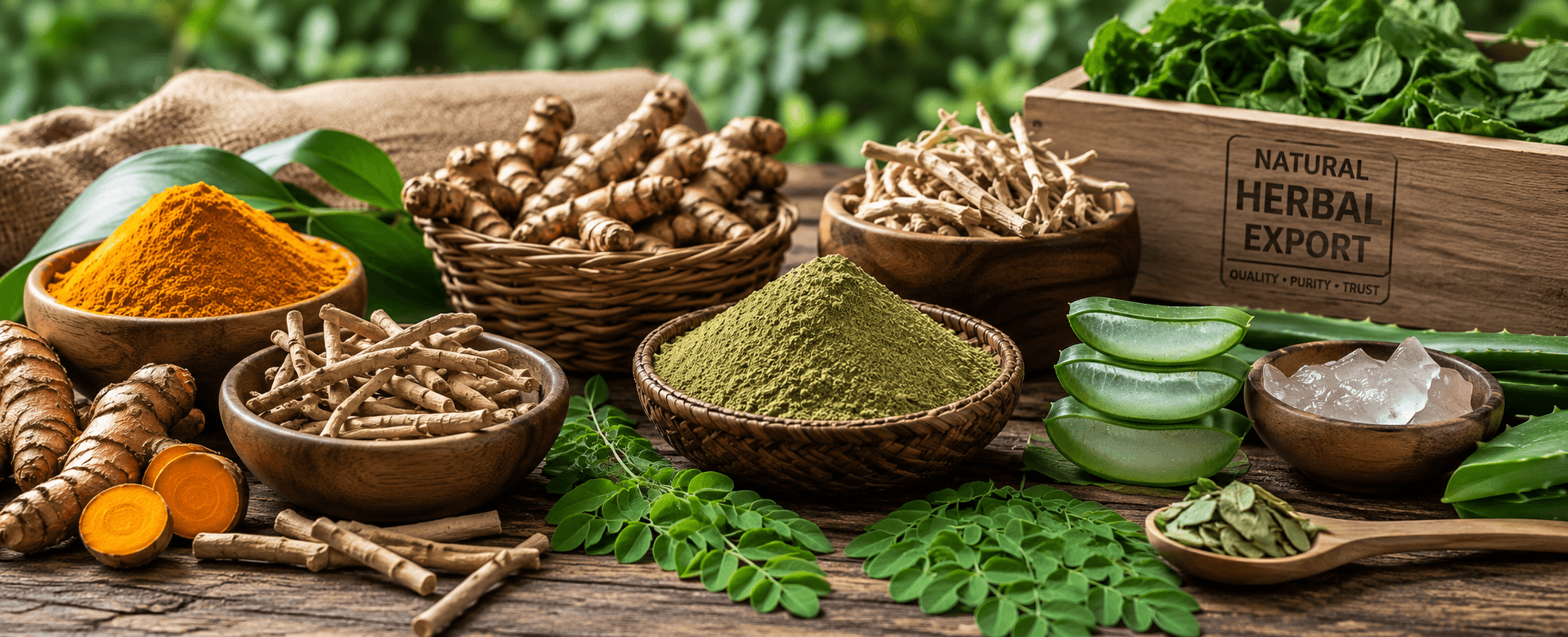
Turmeric has officially gone from a basic Indian kitchen ingredient to an international superstar. From immunity boosters to skincare products, turmeric is everywhere. Western countries discovered curcumin and suddenly acted like they invented healing itself.
But jokes apart, turmeric’s anti-inflammatory and antioxidant properties continue to drive massive demand in the pharmaceutical and nutraceutical industries. Organic turmeric, especially from India, is gaining premium value in export markets because buyers now care about traceability and purity more than flashy packaging. The irony? The same haldi milk that many kids dramatically refused to drink is now sold globally as Golden Latte at five times the price.
Ashwagandha: Stress Relief in a World Running on Anxiety
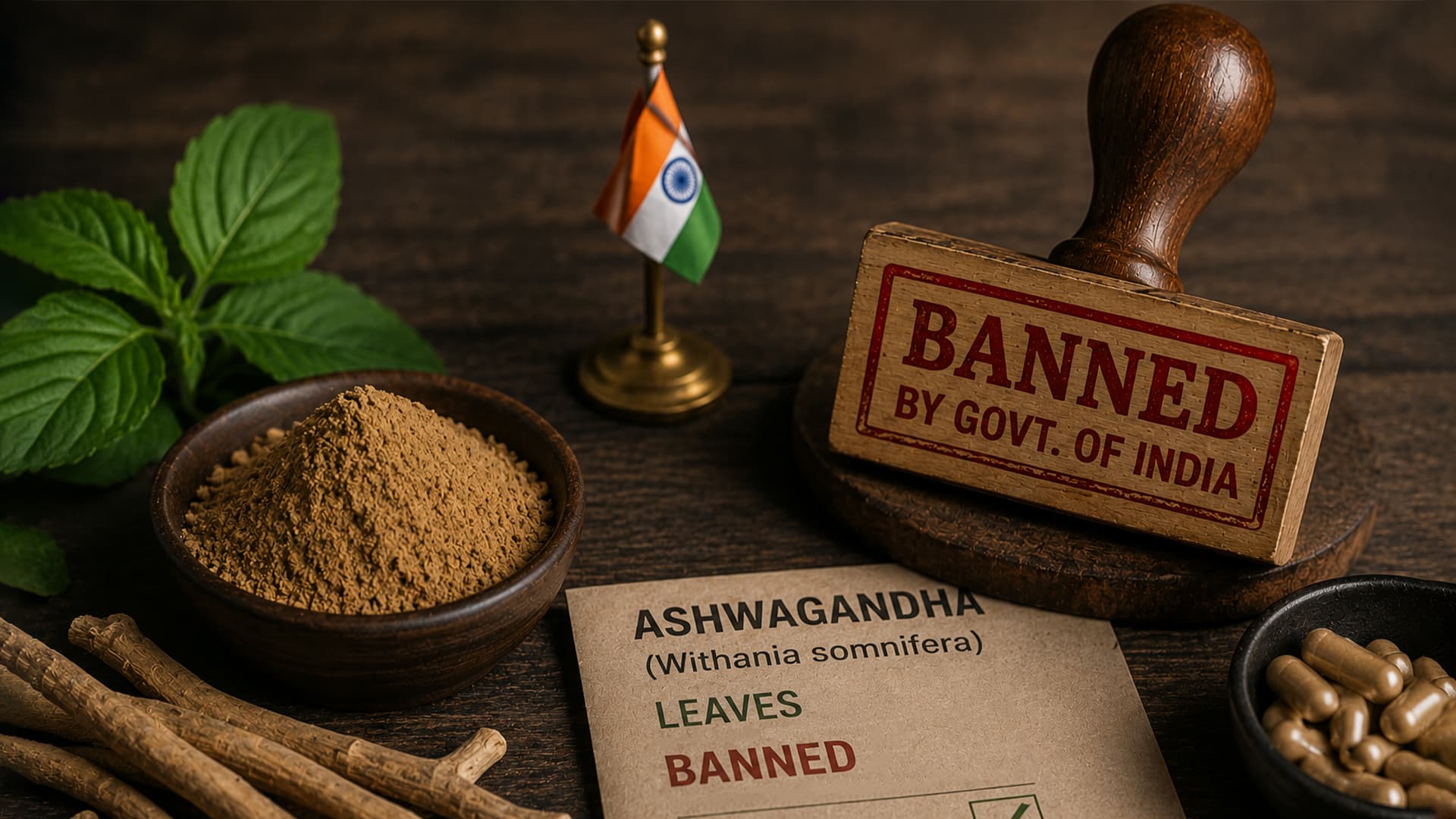
Ashwagandha has become one of the hottest herbal exports because modern lifestyles are basically powered by stress, deadlines, and caffeine. People everywhere are looking for natural adaptogens to improve sleep, reduce anxiety, and boost energy levels. And that is where Ashwagandha enters like a calm yoga instructor in a room full of panicking office workers. The herb is now heavily used in wellness supplements, herbal teas, capsules, and fitness products. Export demand is especially growing in the United States and Europe, where herbal wellness has become less of a niche trend and more of a billion-dollar industry.
Moringa: The Miracle Plant Having Its Main Character Moment
Moringa is no longer just another backyard tree. Its leaves, powder, seeds, and oil are being exported globally because of their nutritional richness. Packed with vitamins, antioxidants, and protein, moringa has become popular in health foods and beauty products. Fitness brands love it. Organic brands market it like a treasure. Health-conscious consumers treat it like nature personally designed a multivitamin.
Aloe Vera: Still Carrying the Skincare Industry on Its Shoulders
Aloe Vera remains one of the most reliable herbal export commodities because skincare companies simply refuse to function without it. From gels and juices to cosmetics and medicinal products, aloe vera demand continues to rise globally. Consumers today want natural, clean, and chemical-free products, even though half of them still cannot pronounce the ingredients written on labels. This shift is pushing herbal ingredients like aloe vera into mainstream international markets.
The Bigger Picture: Herbal Trade Is No Longer a Side Business
The herbal export market in 2026 is not just about plants. It is about lifestyle changes, health awareness, sustainability, and consumer trust. Countries rich in medicinal plants, especially India, are in a strong position to dominate this sector if quality standards, processing, and branding are handled properly. Because let’s be honest, the world is finally realizing that nature had solutions long before fancy packaging and celebrity endorsements arrived. And if this momentum continues, herbal commodities may soon become as valuable as mainstream agricultural exports. The future of trade is looking greener than ever, literally.