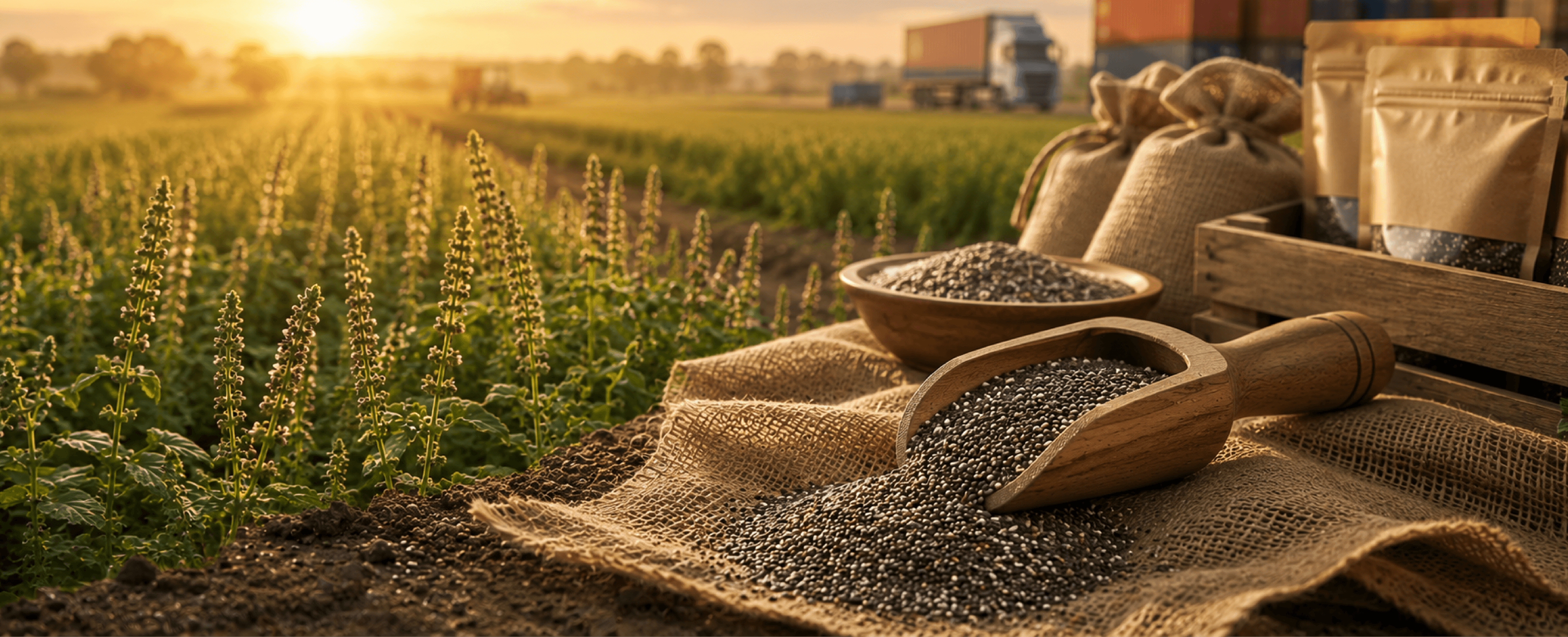

Not every profitable crop comes with a fancy fruit or colorful flowers. Sometimes, a humble herb quietly steals the spotlight, and rosemary is doing exactly that. Once known as a kitchen favorite, rosemary has become a high-demand export crop thanks to its use in essential oils, cosmetics, herbal teas, pharmaceuticals, and gourmet foods. While everyone is busy chasing the next "viral" crop, rosemary is steadily building a business that actually lasts.
Think Beyond Farming: Grow What the World Wants
Successful rosemary farming for export isn't about planting a few rows and hoping international buyers magically appear. Export markets care about quality, consistency, and clean produce. Countries importing rosemary expect herbs with strong aroma, proper drying, and minimal chemical residues. That means healthy soil, careful irrigation, and timely harvesting are just as important as marketing.
The good news? Rosemary is relatively drought-tolerant once established, making it a practical option for growers looking to reduce water use without sacrificing profits. It is one of those crops that rewards patience instead of constant pampering.
Where the Real Money Is: Value Addition
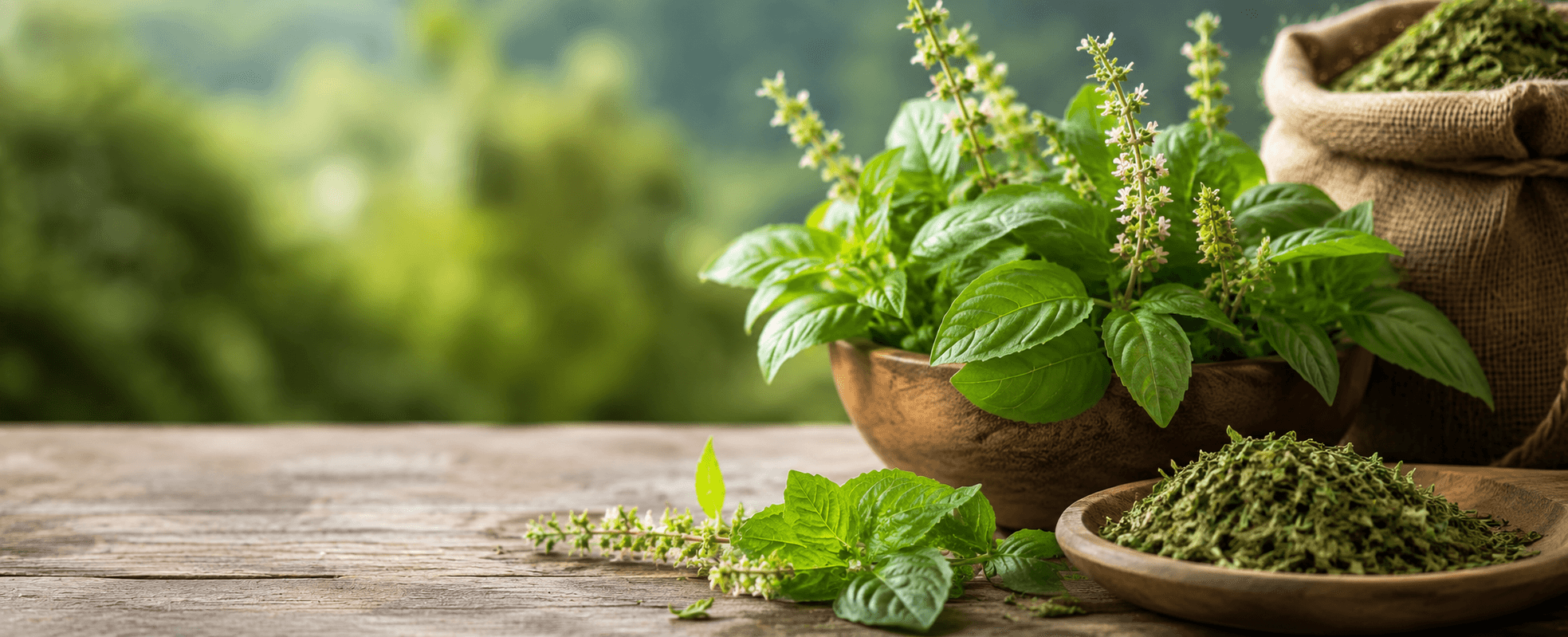
Selling fresh rosemary is good. Selling dried rosemary is better. Selling rosemary essential oil? Now you're speaking the language of international trade.
Global buyers often pay more for processed rosemary products because they save time and meet industry requirements. Investing in proper drying units, hygienic packaging, or even essential oil extraction can significantly increase returns. It's a classic example of earning more by doing a little extra instead of simply producing more. Quantity may impress the neighbors, but quality impresses buyers.
Export Success Starts Before the Harvest
Many farmers think exporting begins when the crop is ready. In reality, it starts months earlier. Choosing export-friendly varieties, following quality standards, maintaining farm records, and connecting with reliable exporters can make the difference between a profitable shipment and a rejected one.
Research your target market, understand certification requirements, and never underestimate the importance of attractive packaging. After all, people do judge products by their covers, especially in international markets.
Final Harvest: Grow Smart, Sell Smarter
Rosemary isn't just another herb; it's a business opportunity rooted in global demand. With proper planning, quality production, and a focus on value addition, this aromatic plant can open doors far beyond local markets. The world isn't simply looking for herbs anymore it is looking for reliable suppliers. If your rosemary can meet that expectation, your farm won't just stay green; it could become globally profitable.