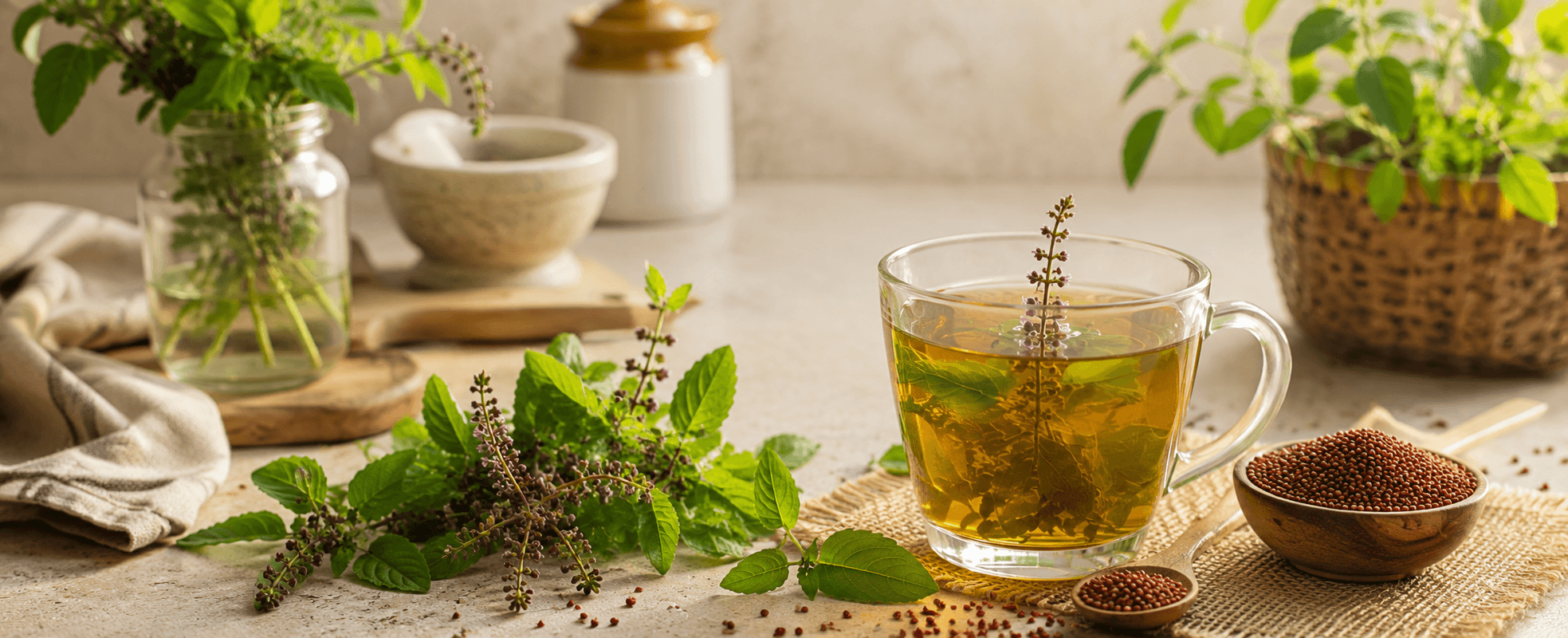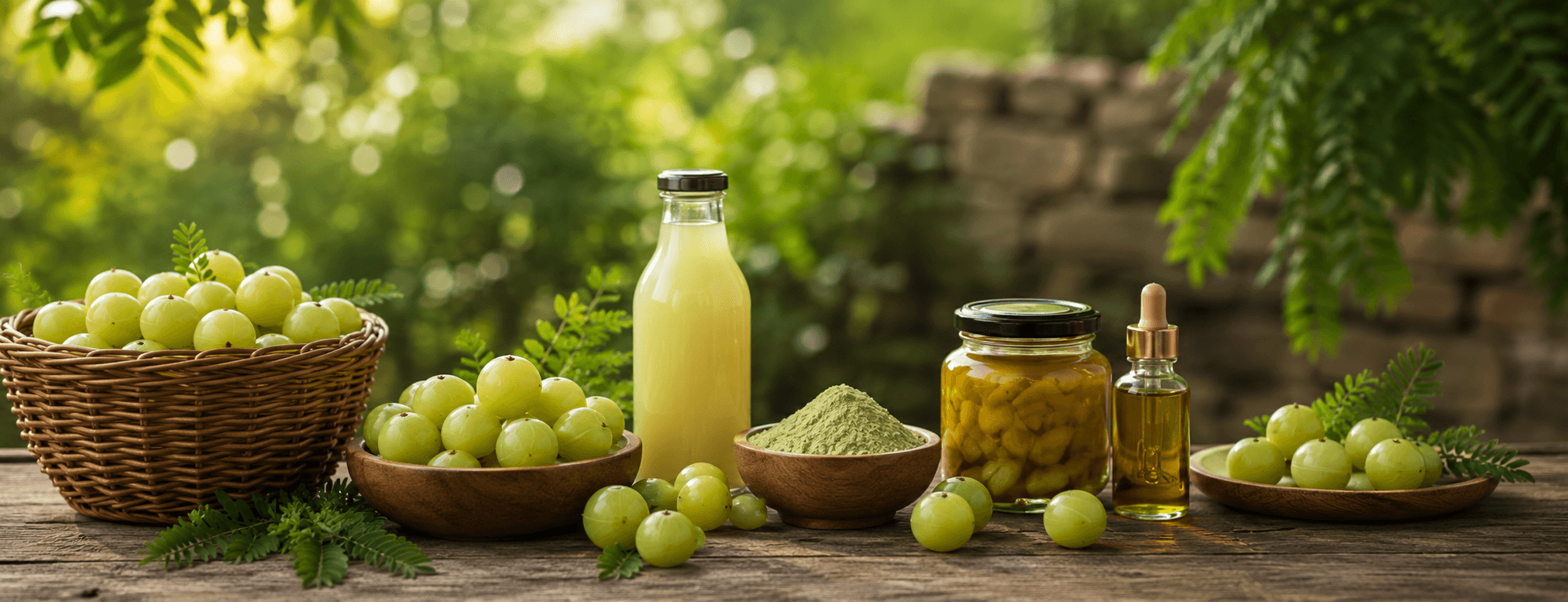
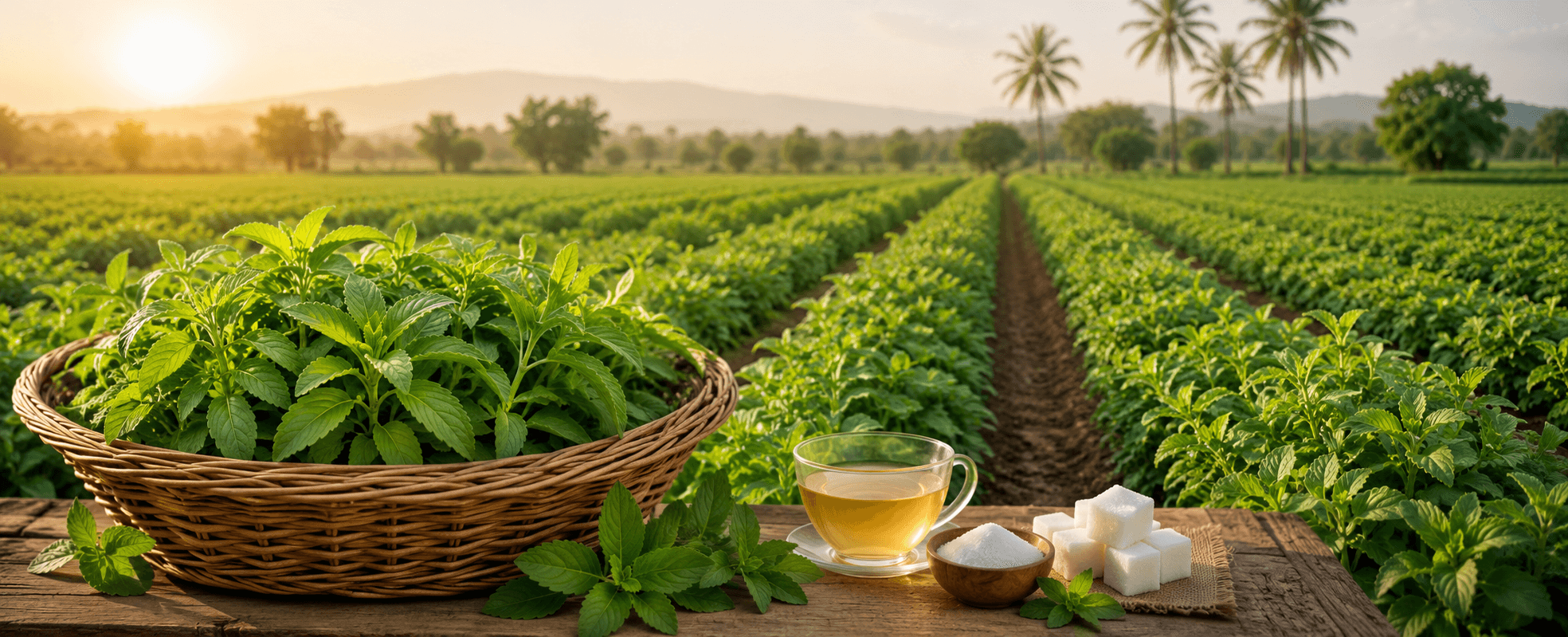
For decades, farmers have chased crops that promised good returns but often delivered sleepless nights instead. Then came stevia, a tiny green leaf with sweetness levels that make sugar look like it's working part-time. As consumers run away from calories and towards healthier lifestyles, stevia farming in India is slowly moving from an interesting experiment to a serious business opportunity.
A Small Leaf with Surprisingly Big Ambitions
Stevia cultivation is gaining attention because the plant requires comparatively less land while offering the potential for attractive returns. It grows well in warm climates and can be cultivated in several parts of India with proper irrigation and management. Unlike many traditional crops that keep farmers waiting for a single annual harvest, stevia allows multiple harvests in a year.
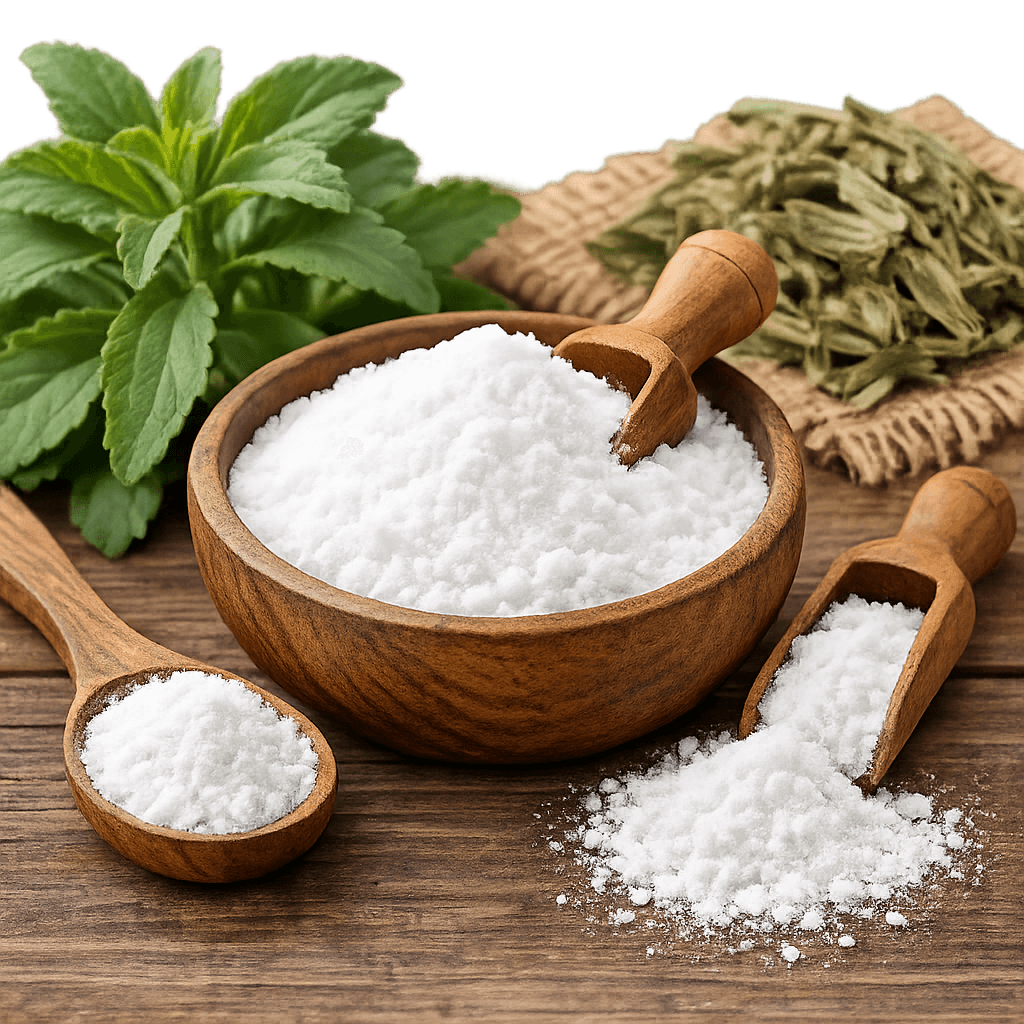
And perhaps the biggest surprise? You're not selling a fruit, a grain, or a vegetable. You're selling sweetness itself, just without the guilt trip that comes with sugar. With increasing demand for natural sweeteners, medicinal plant farming is no longer a niche conversation at agricultural seminars where everyone secretly waits for the tea break.
When Profit Starts Looking Healthier Than the Crop
Stevia has emerged as one of the more profitable farming business options among high-value crops. The demand from food companies, beverage manufacturers, herbal product brands, and wellness industries continues to rise as consumers become more health-conscious.
The market for sugar alternatives is expanding rapidly, especially among diabetic and fitness-focused consumers. Turns out people want desserts without negotiating with their weighing scale every Monday morning. For farmers looking beyond conventional cash crops in India, stevia offers diversification along with strong market potential.
From Indian Farms to Global Cups of Tea
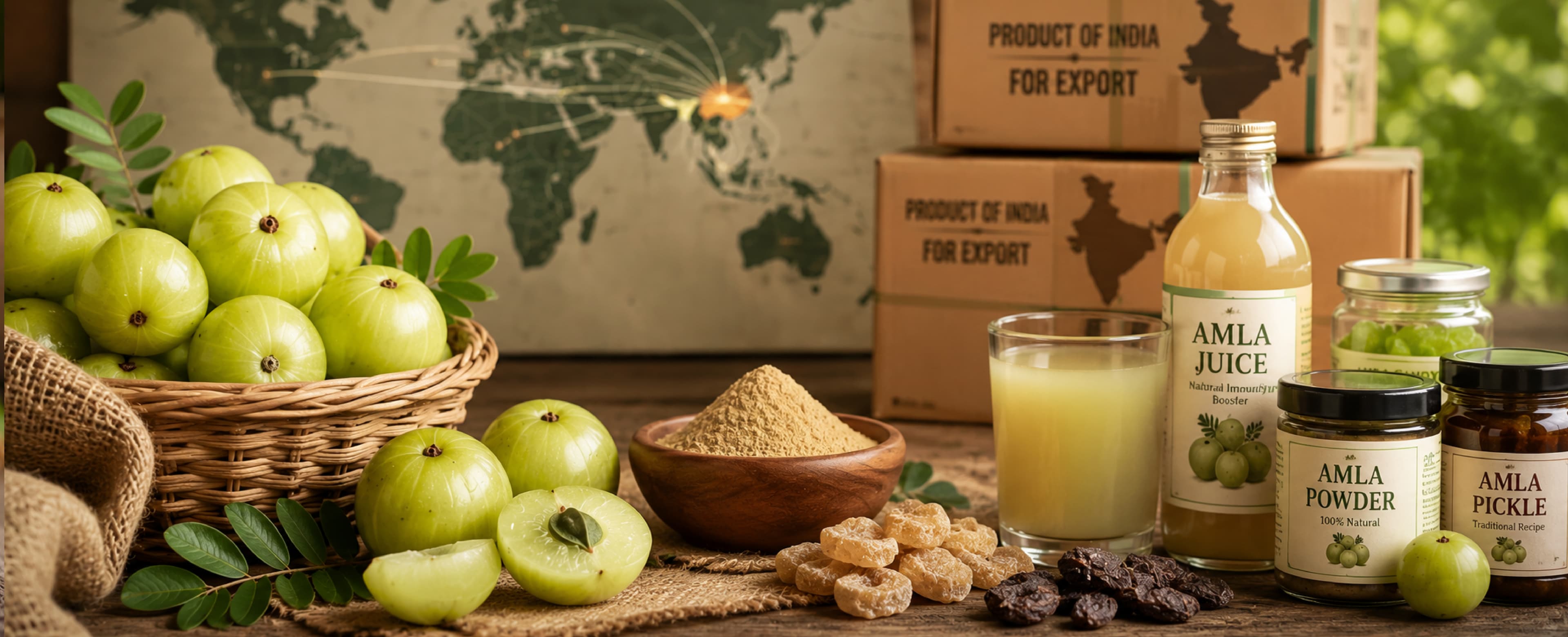
The global stevia export market is growing steadily, with countries across Europe, Asia, and North America increasing their use of plant-based sweeteners. India, with its favorable climate and growing expertise in herbal farming, has an opportunity to become an important supplier. Export markets value consistency, quality, and proper processing standards. In agriculture, growing the crop is only half the story; selling it smartly writes the ending.
The Last Sip
Stevia may not have the glamour of exotic fruits or the headlines of superfoods, but it has something better: demand, profitability, and a future tied to healthier living.
Sometimes the sweetest opportunities don't come in sacks of sugar. Sometimes they grow quietly on green leaves waiting for someone smart enough to notice.