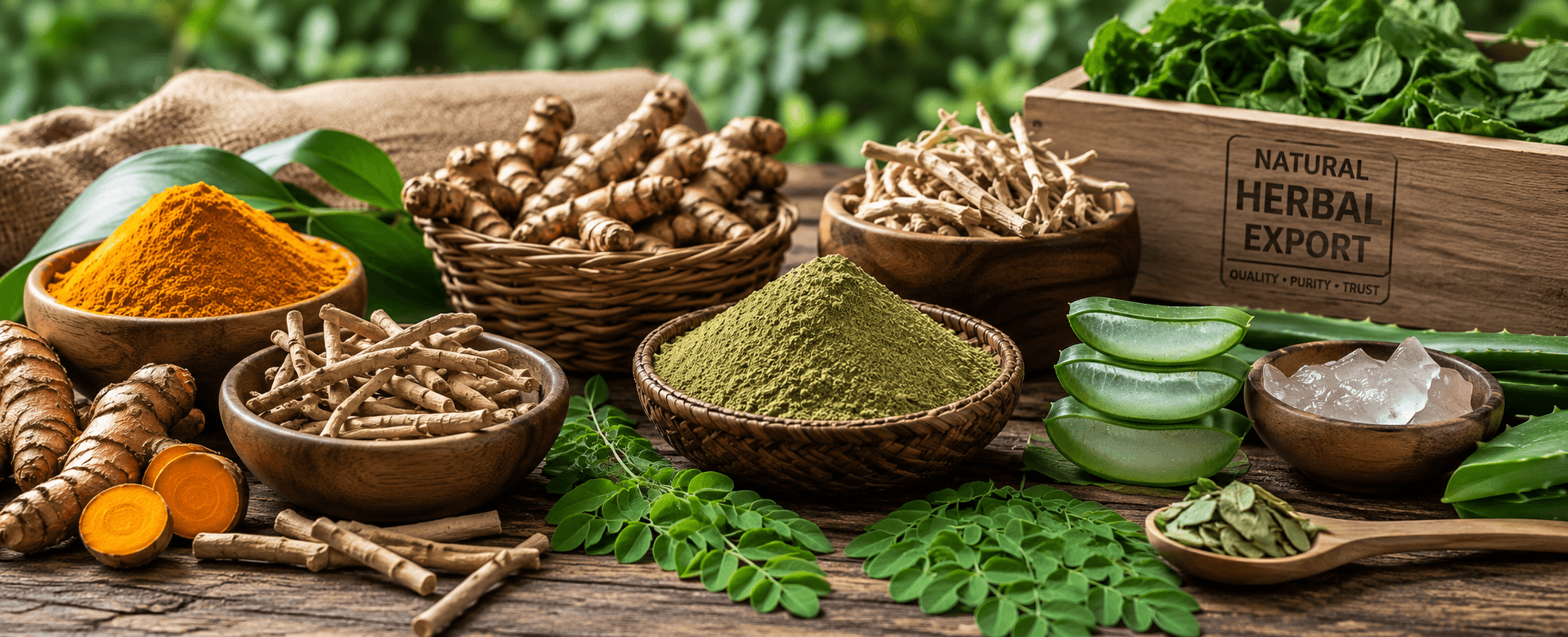
There was a time when medicinal herbs were quietly growing in village fields, minding their own business. Now? The same herbs sit inside fancy glass bottles in international wellness stores, with price tags that could make a farmer laugh and cry at the same time.
India’s herbal industry has become much more than just Ayurveda and home remedies passed down by grandmothers. It is now a massive value chain connecting rural cultivators, processors, exporters, researchers, and global consumers. Somewhere between a farmer growing Ashwagandha and a wellness influencer promoting ancient healing secrets, an entire economic ecosystem is working behind the scenes.
The Farmer Who Starts the Story but Rarely Gets the Spotlight
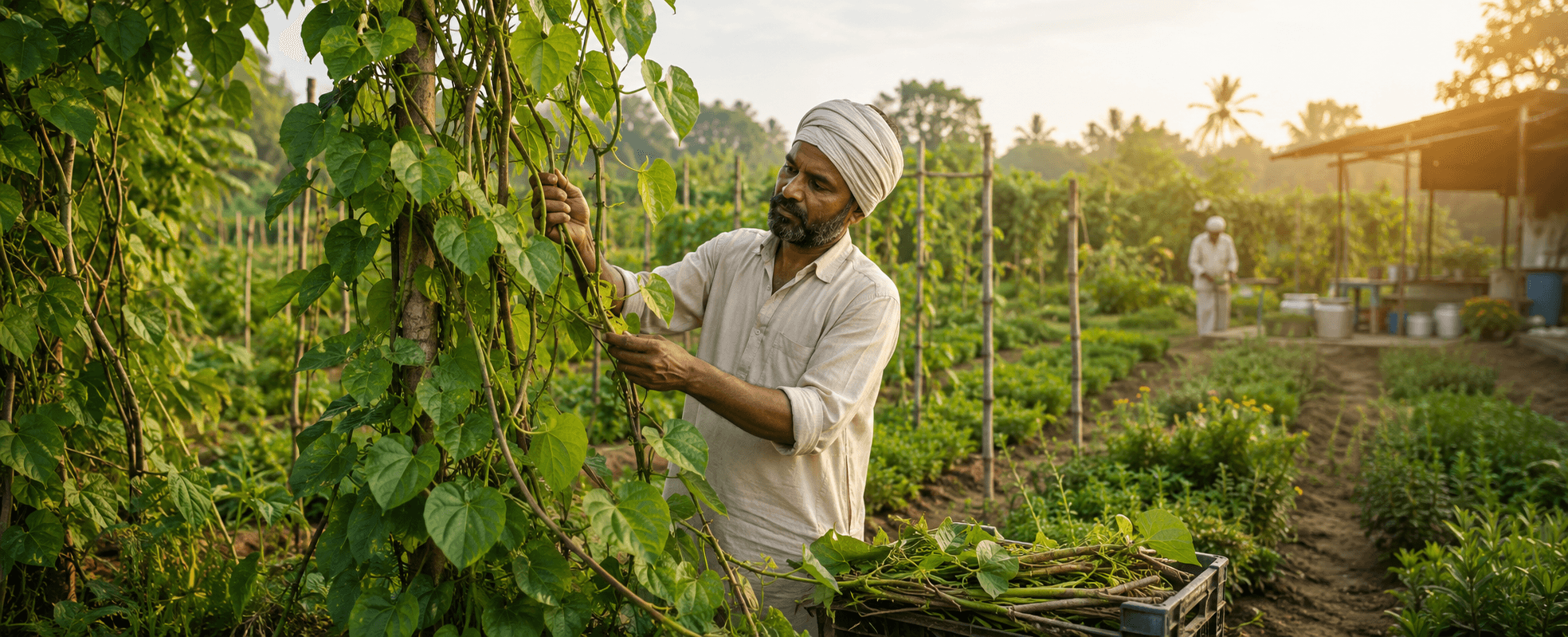
Every herbal product begins with cultivators and collectors. Farmers growing medicinal plants such as Ashwagandha, Tulsi, Aloe Vera, and Brahmi are the first link in this long chain. They nurture crops, deal with unpredictable weather, rising input costs, and market uncertainties.
Ironically, the person who grows the herb often earns the least from it. By the time the product reaches urban markets with premium packaging and words like organic, natural, and holistic printed in elegant fonts, its value has multiplied several times. The herb gets a makeover, but the farmer rarely gets the same upgrade.
Where the Real Magic Happens: Processing and Value Addition
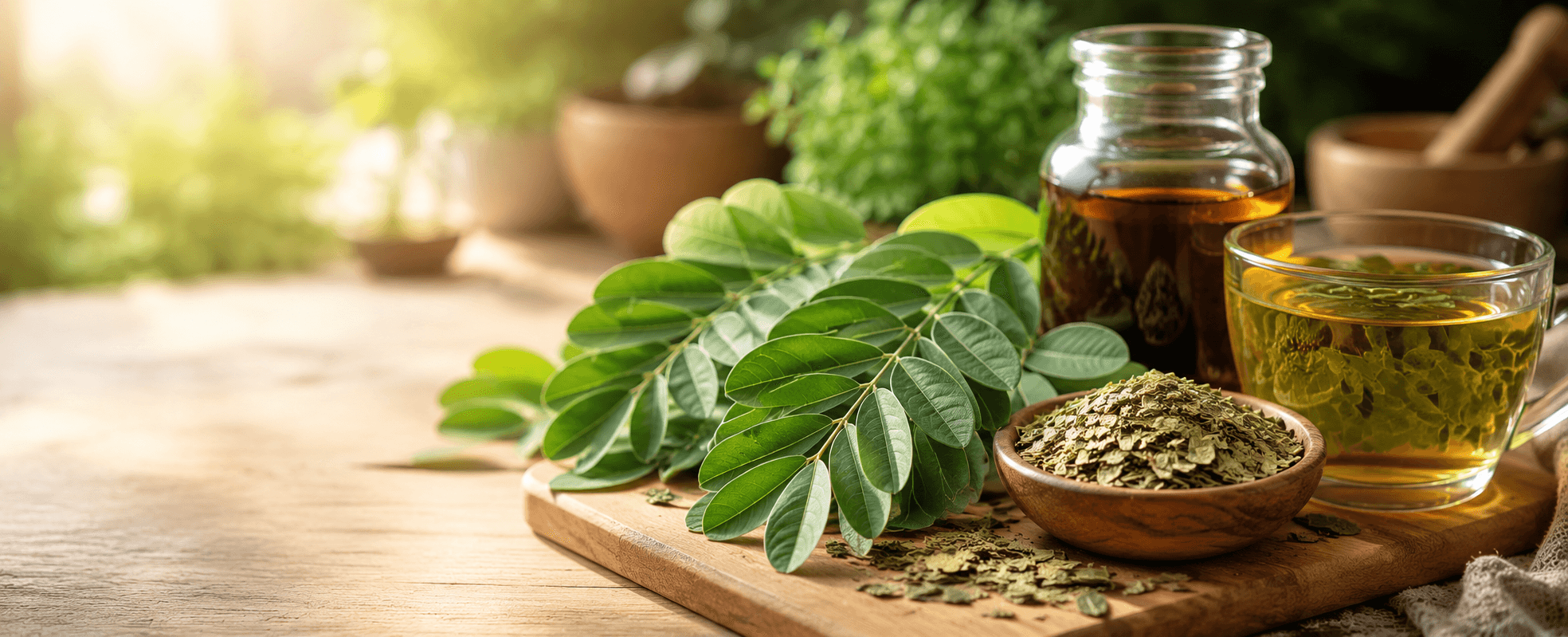
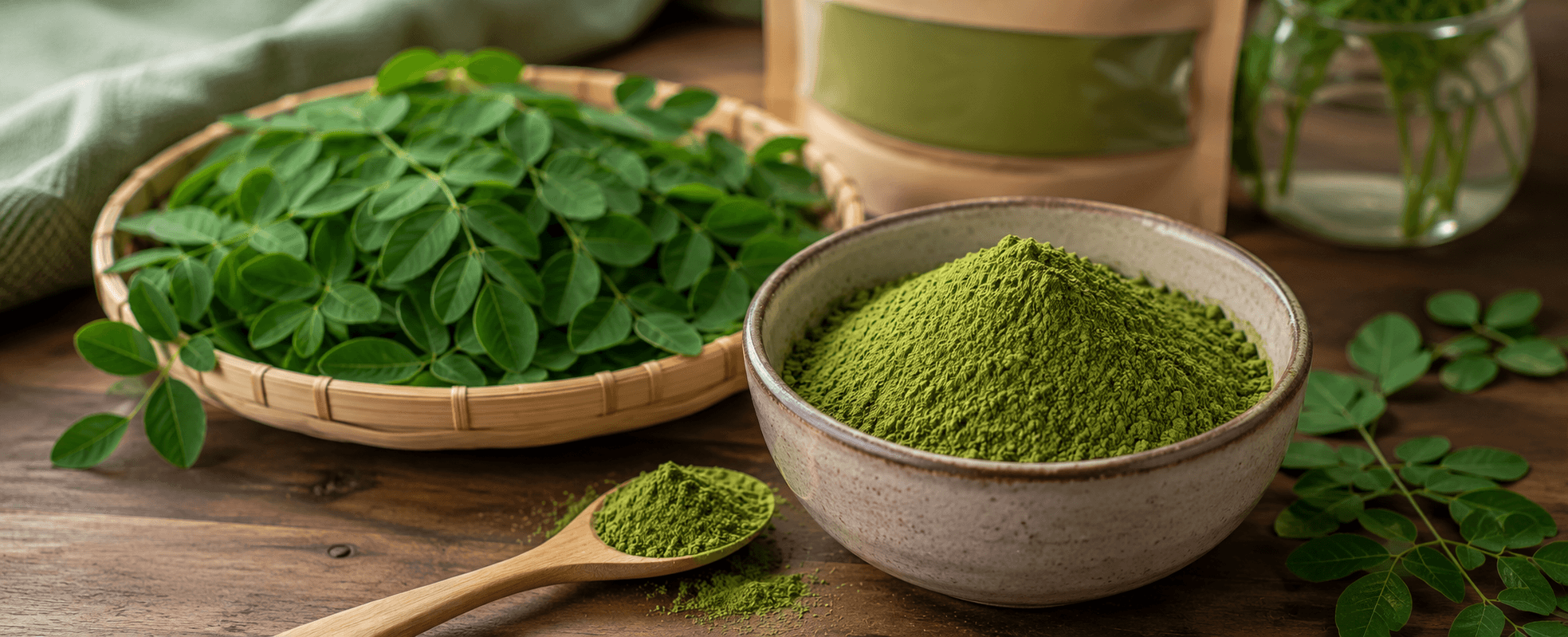
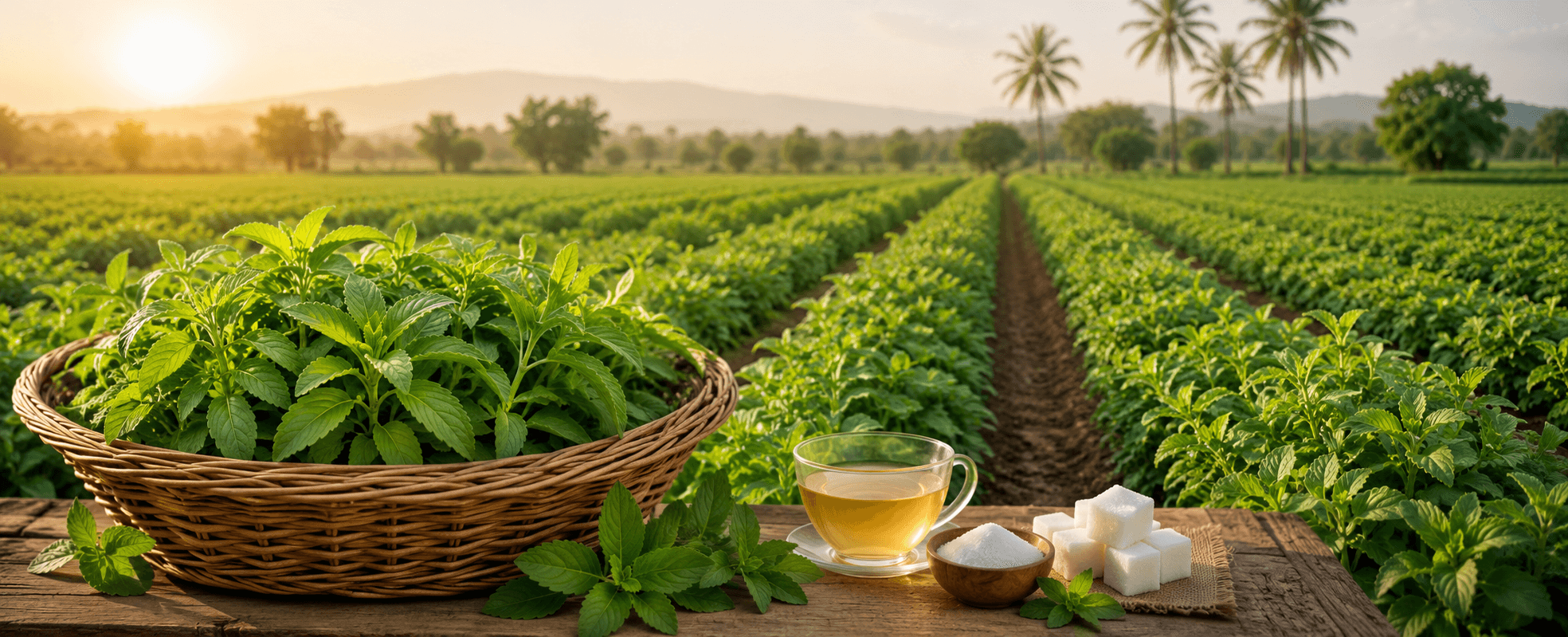
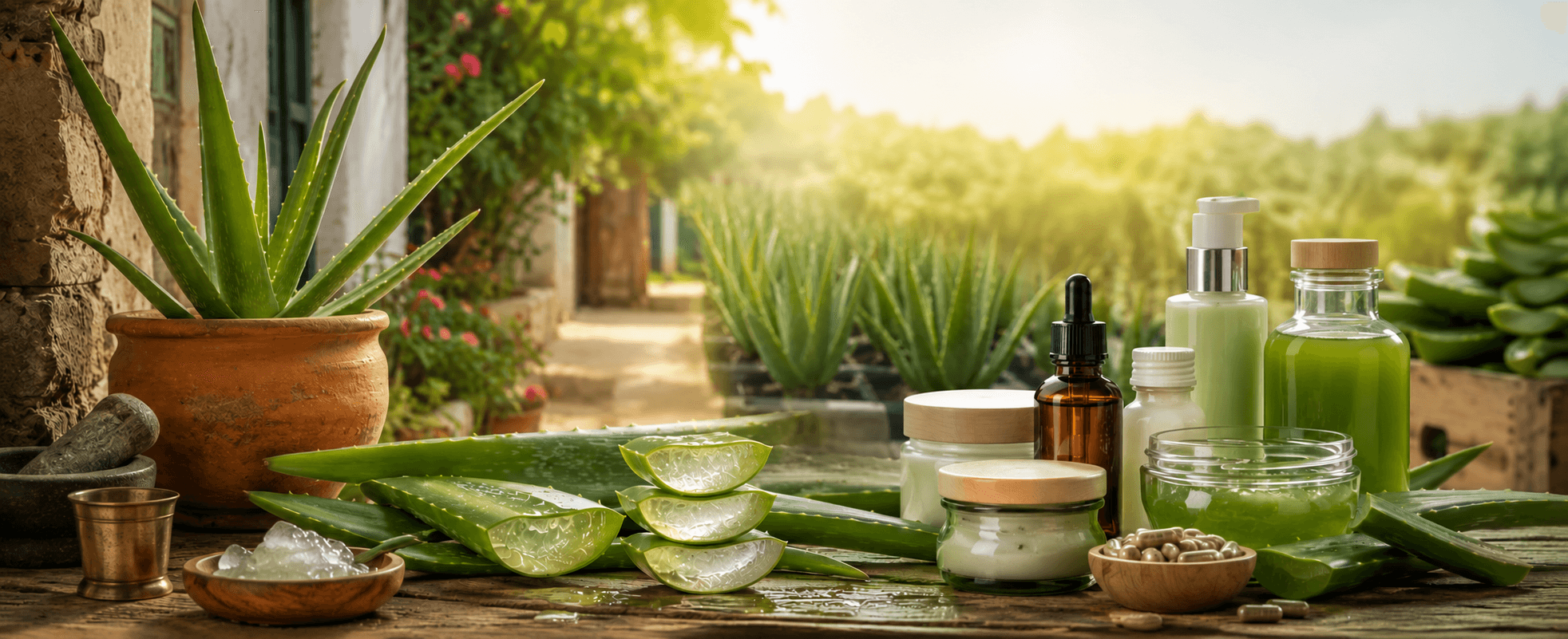
After harvesting, herbs are cleaned, dried, sorted, processed, and transformed into powders, oils, tablets, teas, and supplements. This is where value addition enters the picture.
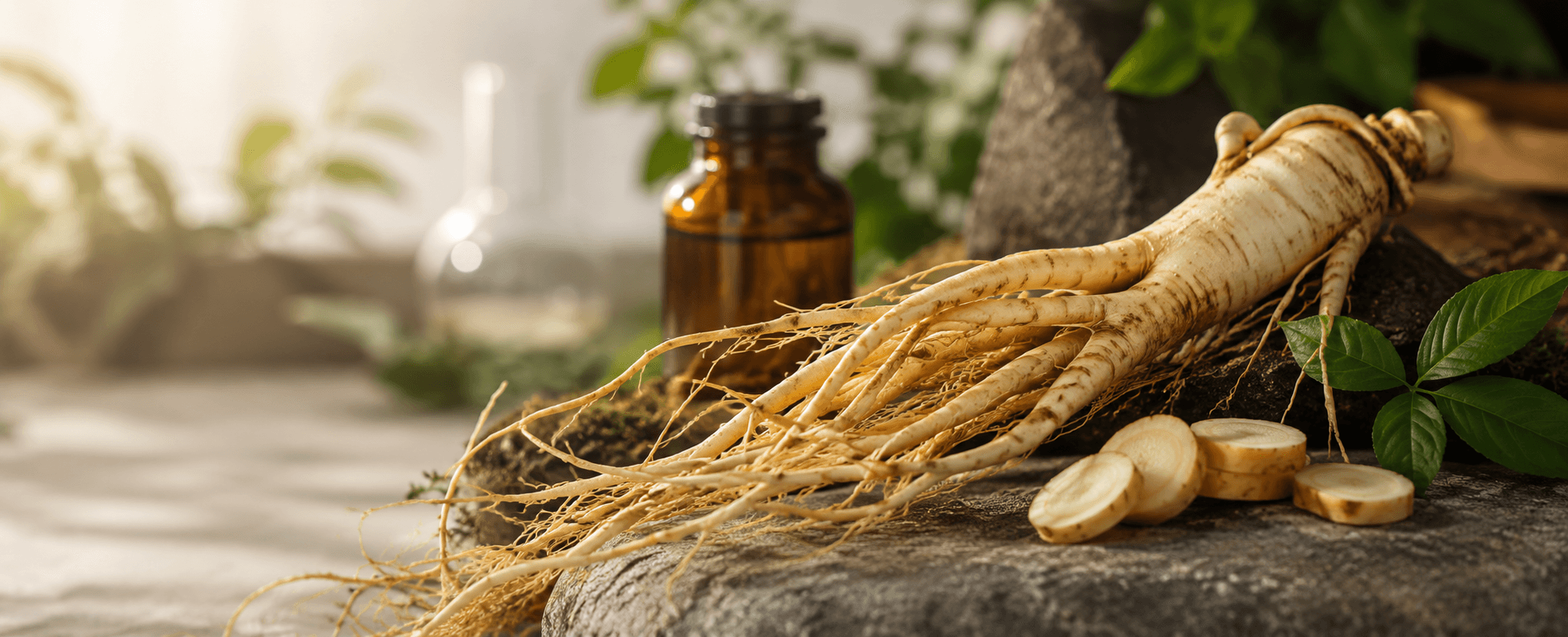
A simple dried root can become a premium health product after processing and quality testing. The challenge, however, is maintaining consistency and meeting international quality standards. Global consumers may love Ayurveda, but they also want traceability, certification, and proof that what they are buying is authentic.
Ancient Wisdom Meets Modern Business
The global demand for herbal and natural wellness products is rising rapidly. Companies are investing in better cultivation practices, digital tracking systems, and quality control mechanisms. Even technology is entering the herbal world, proving that Ayurveda and innovation can actually share the same table without arguing. Blockchain, AI-based quality assessment, and digital supply chains are helping build trust in herbal products worldwide.
The Road Ahead Is Green, But Not Easy
Despite the opportunities, challenges remain. Market access, fair pricing, standardization, storage facilities, and sustainable harvesting practices continue to affect the sector. Strengthening these areas can ensure that the benefits reach everyone involved, especially the cultivators who form the foundation of the entire chain.
Conclusion
The journey of an herbal product is not just a business story; it is a story of villages, traditions, livelihoods, and evolving markets. Every herbal capsule, tea bag, or wellness tonic carries the effort of countless hands. As the world embraces natural healing, India’s herbal value chain has the potential to become a global model where ancient knowledge and modern opportunities grow together quite literally from the ground up.