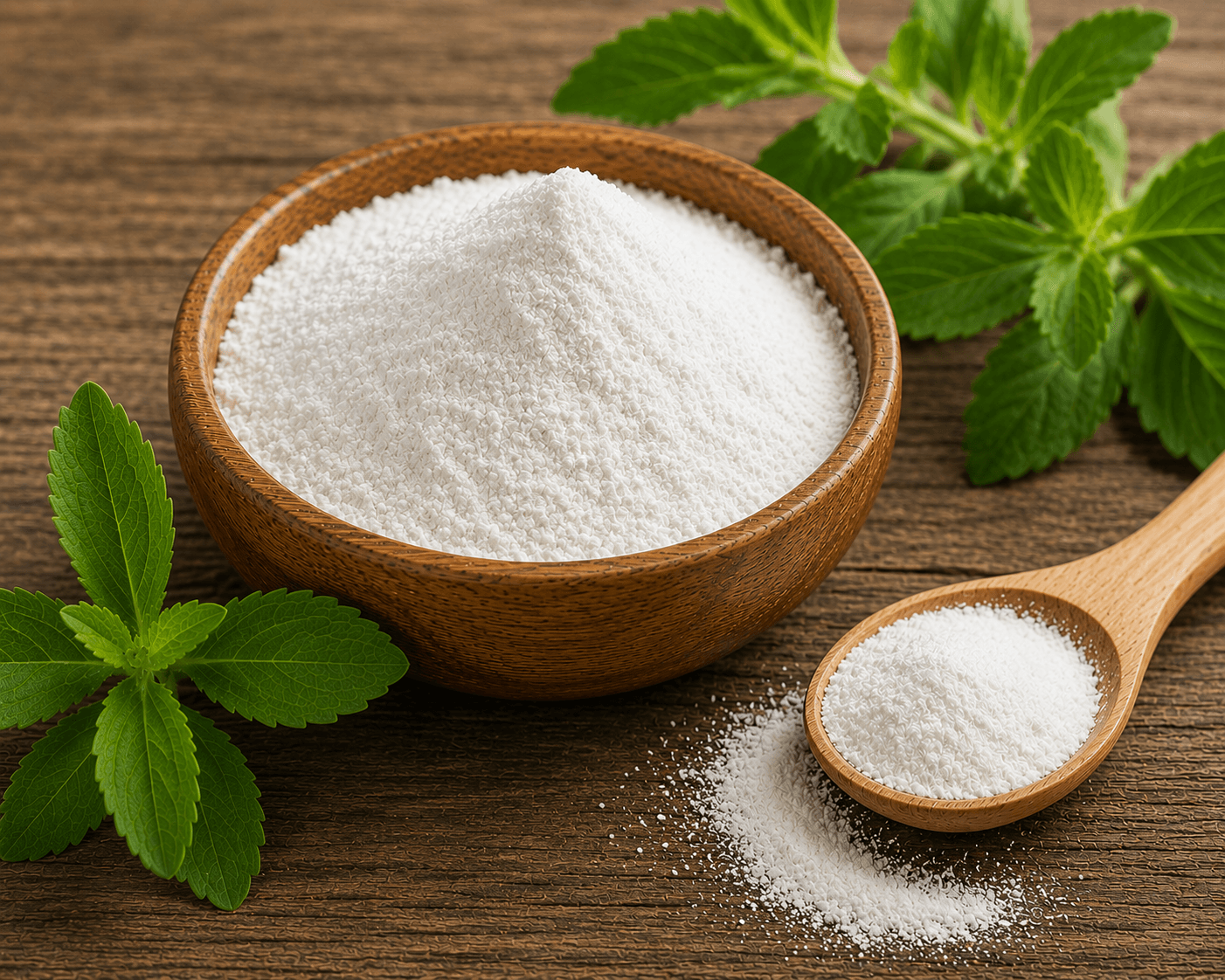
For years, sugar has enjoyed celebrity status in our kitchens. It sweetens our tea, sneaks into our desserts, and somehow finds its way into almost every packaged food we buy. But while sugar has been busy stealing the spotlight, a humble green plant called stevia has quietly been proving that sweetness doesn't always come with a calorie bill.
Native to South America, stevia (Stevia rebaudiana) is often called the sweet herb because its leaves are naturally much sweeter than sugar. The surprising part? It delivers that sweetness without the extra calories that usually make our fitness goals cry in the corner.
A Tiny Leaf with a Surprisingly Big Personality
At first glance, stevia doesn't look like a revolutionary crop. It is a small, bushy herb with simple green leaves. Yet those leaves contain compounds called steviol glycosides, which are responsible for its intense sweetness.
As consumers become more health-conscious and look for alternatives to refined sugar, the demand for natural sweeteners continues to grow. Stevia has found its place in everything from herbal teas and health drinks to confectionery products and dietary supplements. Not bad for a plant that most people would probably mistake for an ordinary garden herb.
Why Farmers Are Giving Stevia a Second Look
Stevia cultivation is gaining attention because it combines economic potential with increasing market demand. The crop thrives in warm climates, requires well-drained soil, and can be harvested multiple times a year under proper management. Unlike some crops that seem determined to test a farmer's patience every season, stevia offers a relatively attractive return due to its high-value leaves. With the growing popularity of sugar-free and low-calorie products, the market for stevia-based ingredients is expanding steadily. Farmers who adopt proper cultivation practices, irrigation management, and timely harvesting can benefit from a crop that aligns well with modern consumer preferences.
The Future of Sweetness Might Be Green
The world is changing, and so are eating habits. Consumers are reading labels more carefully, searching for healthier options, and questioning ingredients they once accepted without a second thought. This shift has created new opportunities for crops like stevia that support both health-conscious lifestyles and sustainable agriculture.
While sugar is unlikely to disappear anytime soon, stevia has certainly earned its seat at the table. It offers sweetness, versatility, and market potential all wrapped up in a handful of green leaves.
Final Thoughts
Stevia is more than just a sugar substitute; it represents a changing approach to how we think about food and health. For farmers, it offers a promising commercial crop. For consumers, it provides a natural way to enjoy sweetness without the guilt trip that often follows an extra spoonful of sugar. Sometimes the sweetest innovations do not come from factories or laboratories. Sometimes, they simply grow on a plant.